The Identity Card That Turned a Label into a Line
A colonial census in the 1930s took labels that had once been flexible and wrote them onto a card that outlived the empire that issued it.
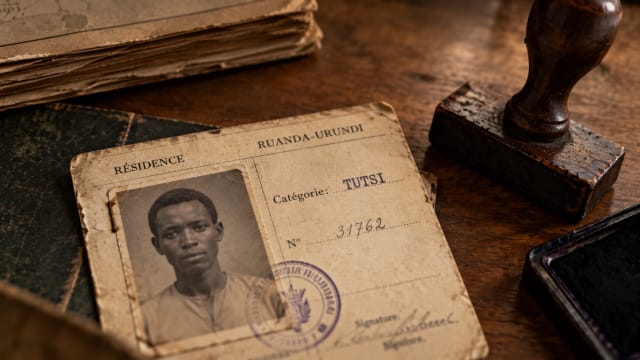
In 1933 and 1934, the Belgian authorities who governed Rwanda under a mandate from the League of Nations carried out a census and began to issue identity cards that recorded each person as Hutu, Tutsi or Twa. The three terms had existed earlier, but many historians argue that they were fluid. They described rank and occupation as much as descent, and a family could move from one label to another through wealth, marriage or service to a chief.
The new cards ended that flexibility. A person's category was written down and passed on from the father, and it became a document that officials could check. A rule of thumb often reported, that a person owning ten or more cattle would be counted as Tutsi, shows how unsteady the boundary was before it was fixed in ink. Colonial policy also favoured the Tutsi elite in administration and schooling, which gave the categories a real difference in opportunity.
Independence in 1962 did not end the system. The cards stayed in use, and the categories passed from an instrument of colonial rule to an instrument of political rivalry. During the genocide against the Tutsi in 1994, killers at roadblocks reportedly checked the cards to decide who could pass. After the genocide the government removed ethnic labels from official identity documents.
The cards stayed in use, and the categories passed from an instrument of colonial rule to an instrument of political rivalry.
The history raises a legal question that outlived the colony. When a state records a trait on a paper that every citizen must carry, it may give that trait a force it did not have alone. Modern human rights law and many constitutions therefore treat the collection of such data with care, and ask whether the record serves a legitimate purpose and whether it can be misused.
Discussion
Sign in to join the discussion.
More in Race & Ethnicity
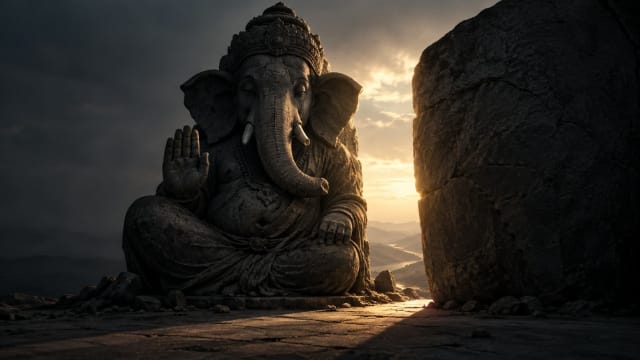
The God of Obstacles: An RC Inspired by IIM Indore
Ganesha removes obstacles. Ganesha places them. The same deity, the same tradition, the same prayer. This is not a contradiction. It may be the most honest theology ever written about the nature of difficulty.

Why Lizzie Borden Was Acquitted: An RC Inspired by IIM Indore
The evidence against Lizzie Borden was strong. The jury acquitted her in ninety minutes. What happened in that room had very little to do with the evidence.

The Ghost Ancestors
Ancient humans can vanish without leaving a single bone. Yet fragments of their DNA continue telling a story that archaeology never could.
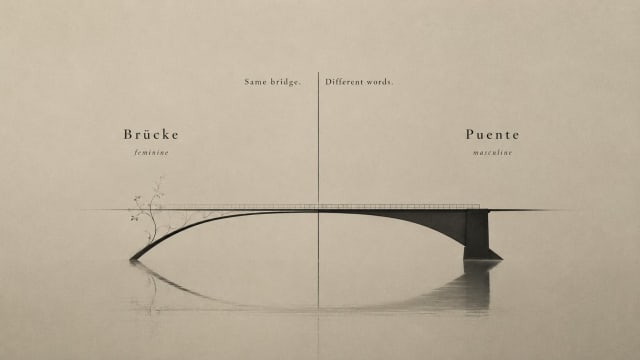
The Bridge That Changed Sex In Translation
German poets call bridges fragile, Spanish poets call them strong. The same object, the same world, only the grammar changes.