Dense, argument-driven essays with 4-option CAT RC sets: inference, tone, main idea and structure, plus every CAT RC PYQ from 2020 to 2025, solved.
Literary Criticism3 min
Franz Kafka asked his closest friend to burn everything he had left unpublished. The friend refused, and the world gained a canon whose existence rests on disobedience.
Media & Communication3 min
A radio play about Martians is remembered as the night America panicked. The evidence for the panic is thinner than the legend, and the first people to spread it may have been the ones who gained from it.
Social Psychology3 min
A newspaper once told New York that dozens of neighbours watched a murder and did nothing. The story built a famous theory, and then the story itself began to fall apart.
Philosophy of Science3 min
Handwashing cut deaths in a Viennese maternity ward within months, and the physician who proved it was ignored. The refusal looks like arrogance in hindsight, yet it came from the same caution that protects science from error.
Social Psychology3 min
In 1971 a Stanford basement became a prison, and the world learned that ordinary people turn cruel when given power. The archive suggests that somebody told the guards what the experiment wanted to see.
Neuroscience3 min
In 2014 a Berlin brain scan study linked heavy pornography use to a smaller reward region, and the headlines said the brain was shrinking. The study could not say that, and the argument it started is about meaning more than anatomy.
Ethics of Technology3 min
A cancer machine killed patients in the 1980s although every part did what it was built to do. The case shows how responsibility can vanish when a safeguard moves from metal into code.
Aesthetics3 min
A bowl mended with gold looks like a lesson in embracing flaws. The famous story behind it is thin, and the lesson may have arrived long after the craft.
Democracy & Rights3 min
The Athenians who invented democracy filled most offices by lottery, and Aristotle called elections the mark of oligarchy. The word we use for our own system may belong to a different idea.
Animals3 min
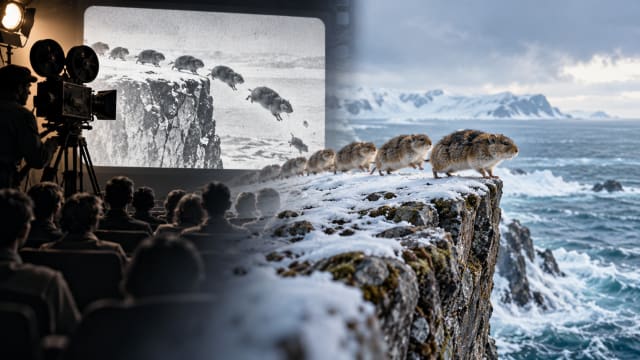
A famous film showed lemmings marching to their deaths in 1958. The scene was staged, and the myth it fed says more about the audience than about the animal.
Mathematics3 min
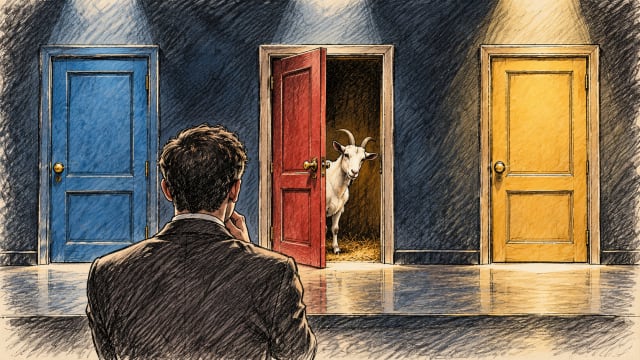
In 1990 a magazine columnist gave a correct answer to a game show puzzle and was buried in angry letters from people with doctorates. The mistake that followed reached the greatest mathematicians too.
History of Ideas3 min
A popular story says Victorian doctors invented the vibrator to treat hysterical women. The tale has been repeated in films, plays and classrooms, and its own evidence is far thinner than its fame.
Social Psychology3 min
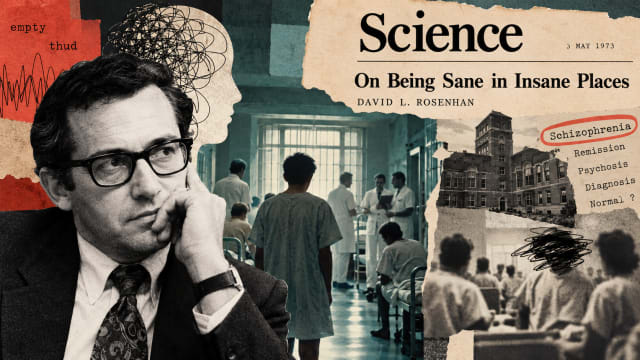
In 1973 a Stanford psychologist reported that psychiatrists could not tell healthy people from the mentally ill. Half a century later, the study itself is proving hard to tell from fiction.
Anthropology3 min
Islanders in Vanuatu built airstrips and waited for planes that never came, and the world learned to laugh at them. The joke may reveal more about the laughers than about the waiting.
Indian History3 min
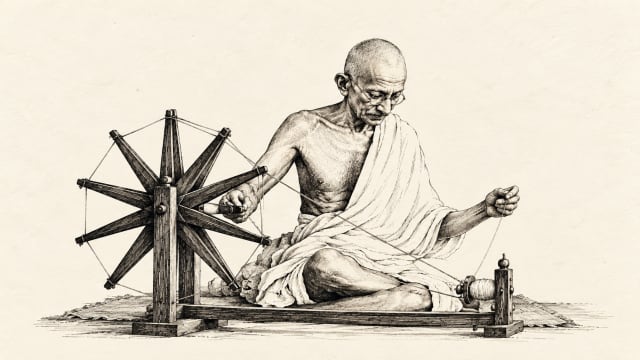
The Norwegian Nobel Committee considered Gandhi five times and never honoured him. Its reasons were serious, and they may say more about the meaning of peace than about the man.
Language & Linguistics3 min
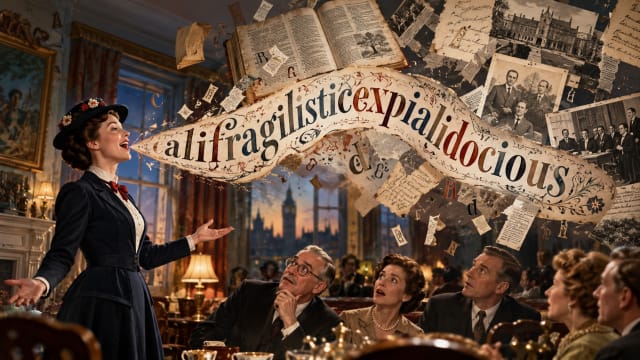
A Disney nanny sang a thirty four letter word in 1964 and the Sherman brothers claimed to have made it up. A court disagreed, and the dispute exposes how little anyone knows about where words come from.
Religion & Mythology3 min
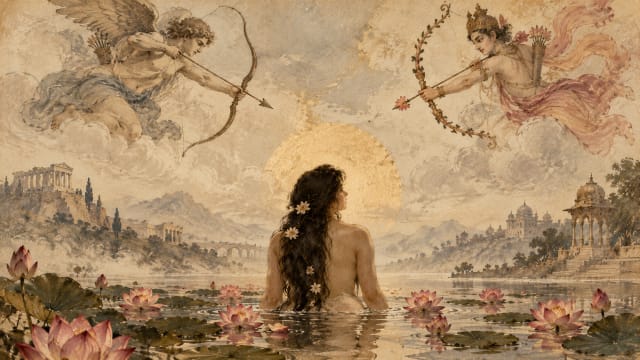
Eros began as a force older than the gods, Kamadeva as the first seed of mind. Somewhere along the way both became boys with bows, and nobody has explained why the wound still feels like it comes from outside.
Physics3 min
A Tanzanian schoolboy, Aristotle and Descartes all reported that hot water can beat cold water to ice. Two thousand years later, nobody can say whether they were right.
Artificial Intelligence5 min
Every major technology company is racing to quantify human experience. The one thing they cannot quantify is the reason the race matters.
Geopolitics5 min
North Korea did not ban mirrors. It did something more precise. It ensured that the only reflection available to its citizens was the one the state had prepared for them.
Religion & Mythology5 min
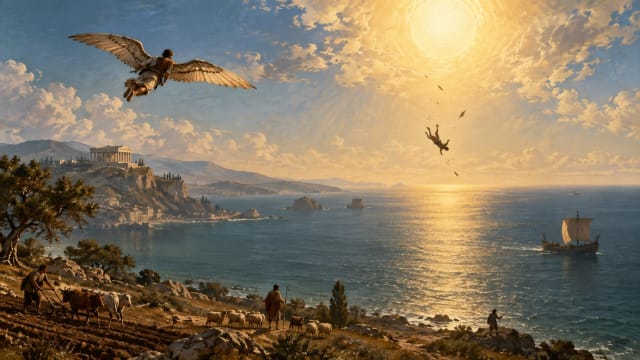
Daedalus built the wings, warned his son, watched him fall, and flew safely to Sicily. He succeeded at everything Icarus failed at. The myth does not remember him.
Modern History5 min
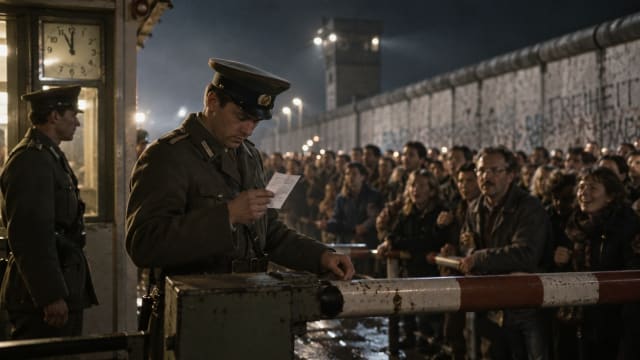
Gunter Schabowski had not been briefed. The decision he announced had not been implemented. The gates he declared open were still closed. Within hours, the Berlin Wall had ceased to exist.
Sociology5 min
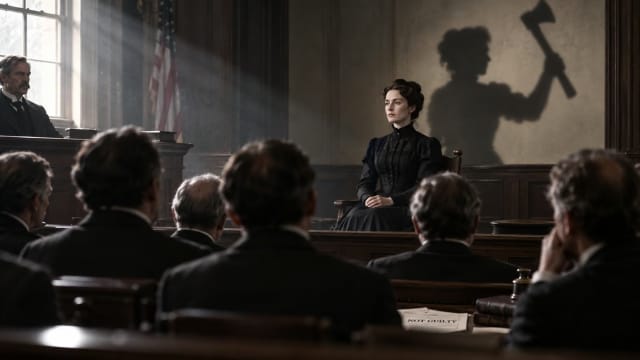
The evidence against Lizzie Borden was strong. The jury acquitted her in ninety minutes. What happened in that room had very little to do with the evidence.
Physics5 min
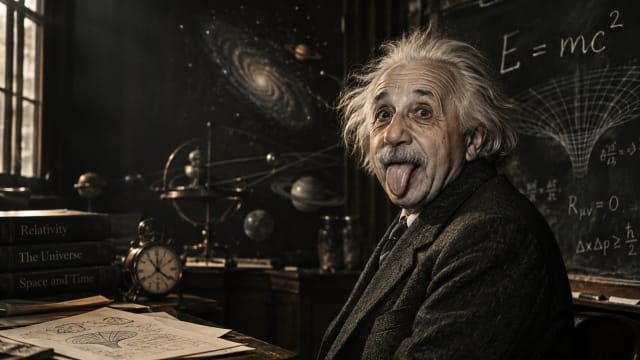
The story of Einstein failing his exams has survived a century of correction. The reason it survives tells you more about human psychology than it does about Einstein.
World Wars5 min
Hiroo Onoda fought in the Philippine jungle until 1974, twenty-nine years after Japan surrendered. He was not deluded. He was doing exactly what a loyal soldier should do.
Biology5 min
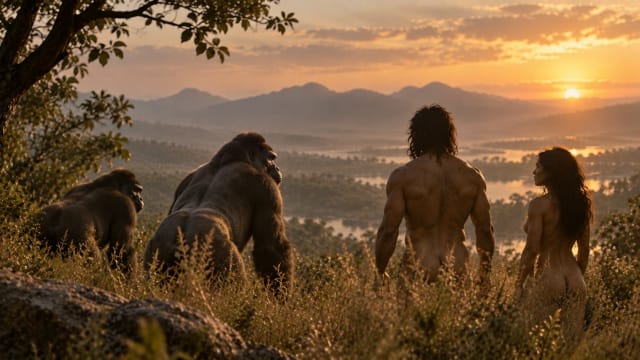
Desmond Morris had a simple answer. Modern biology has a more complicated one. What changed between 1967 and now reveals as much about science as it does about human anatomy.
Existential Psychology5 min
Every civilisation in history has built monuments. Jeffrey Greenberg spent decades asking why. His answer changed how psychology thinks about culture, death, and what it means to be human.
Religion & Mythology5 min
Ganesha removes obstacles. Ganesha places them. The same deity, the same tradition, the same prayer. This is not a contradiction. It may be the most honest theology ever written about the nature of difficulty.
Language & Linguistics5 min
There is no Hindi word for independence. My mother told me this once, without ceremony. It took years to understand what she meant.
Ecology5 min
A fungal disease is erasing Europe's most familiar tree. What ash dieback reveals about the limits of knowing and caring about the natural world.
Animals5 min
47 leopards live inside Sanjay Gandhi National Park, entirely surrounded by Mumbai. They have killed more than thirty people since 2002. Neither the city nor the leopards are going anywhere.
Biology6 min
Most animals mate seasonally. Humans do not. The question is not why humans have more sex. It is what human sexuality has become, and why it looks less like animal mating and more like language.
Philosophy of Mind6 min
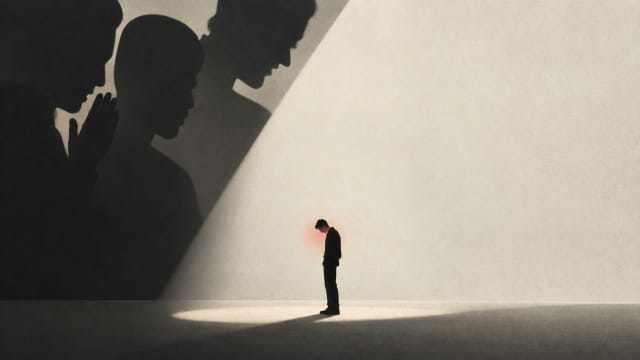
Embarrassment is not shame. It is not guilt. It is the moment the self discovers, with retroactive mortification, that it has been visible all along, and that visibility was never chosen.
Political Philosophy5 min
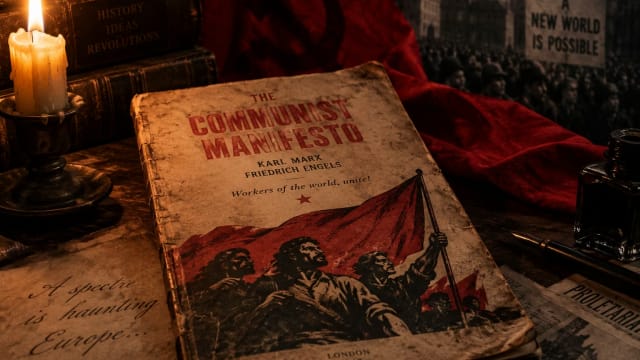
The Manifesto was written in six weeks by two men in their twenties. It inspired revolutions on four continents. The question is not whether its argument is correct. It is why the argument works so well.
Fiction & Novels5 min
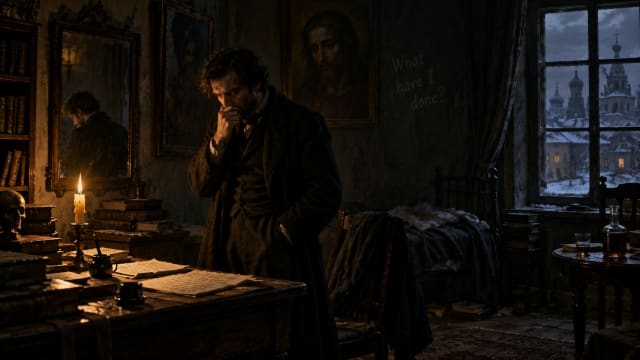
Raskolnikov's guilt in Crime and Punishment is not about fear of punishment. Dostoevsky described the phenomenology of guilt more accurately than clinical psychology did for another century.
Cognitive Psychology5 min
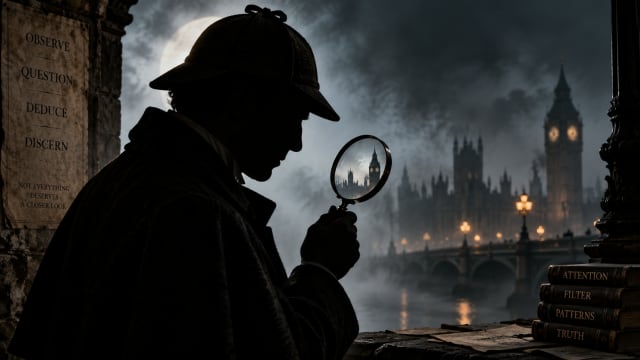
Holmes notices everything Watson misses. The passage argues this is not because he observes more. It is because he has a better theory of what is worth observing.
Learning & Pedagogy5 min
I learnt to teach through a fairy without wings. Years later, I understood that learning and teaching may be among our oldest human impulses.
Religion & Mythology5 min
Putana came to kill Krishna with poisoned milk. He killed her instead. Then he gave her the status of a mother. The Mahabharata is not confused about this. It is making its hardest argument.
Ethics5 min
Krishna lies, cheats and engineers deaths. The Mahabharata calls him the fullest embodiment of dharma. This is not a contradiction. It is the most demanding position in Indian moral philosophy.
Philosophy of Mind6 min
Neuroscience reveals how prediction shapes consciousness, surprise, self awareness and our strange dependence on other minds.
Language & Linguistics5 min
The Inuit do not have fifty words for snow. But the story refuses to die because it points toward something real. Does the language we speak shape how we think?
Space & Astronomy6 min
Dark matter has never been directly observed. We are nonetheless highly confident it exists. The gap between these two facts reveals something important about how science actually works.
Cognitive Psychology5 min
Most arguments do not change minds. They change voiced positions. Genuine belief revision is neurologically different, phenomenologically distinct and far rarer than it appears.
Epistemology6 min
The ancient Greeks called it aporia — a lack of passage. It is not the moment when thinking fails. It is the moment when thinking discovers that the question itself was badly formed.
Sociology5 min
Every generation predicts that urbanisation and busy schedules will kill traditional festivals. Every generation is wrong. The reason has less to do with sentiment than with function.
Animals5 min
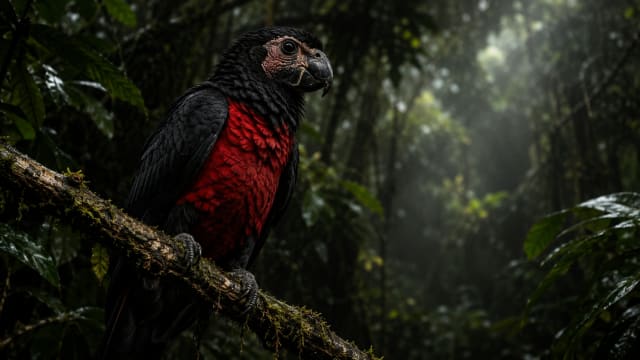
The Dracula Parrot eats almost nothing but figs from a single genus of tree. Its beauty is the product of extreme specialisation. So is its vulnerability.
Fiction & Novels5 min
Kafka is not an allegorist. He is a describer. His fiction works because it shows the shape of experiences you already knew and had not previously been able to see.
Behavioural Economics5 min
Losses hurt twice as much as gains feel good. Kahneman and Tversky called this loss aversion. Economics has not been the same since.
Modern History5 min
The printing press spread the Reformation. It did not cause it. The soil was prepared long before Gutenberg printed a single page.
Ideology5 min
Machiavelli was more than a ruthless strategist. His work reveals a deeper tension between political power, realism, civic virtue and republican freedom.
Animals6 min
Whale songs reveal how isolation, imitation and migration can create, preserve and erase cultural differences within animal populations.
Epistemology6 min
Skepticism is not the rejection of knowledge, but a discipline for deciding how much confidence our evidence deserves.
Learning & Pedagogy3 min
A tiny mark of punctuation opens into a larger question about how conventions create meaning, coordinate behaviour and quietly hold civilisation together.
Cinema6 min
Odysseus embodies the hero’s journey not through victory alone, but through the losses, disguises and transformations that make returning home possible.
Indian History6 min
India's Independence ended colonial rule in 1947, but did it make Indians truly free? An essay on sovereignty, inequality and the unfinished meaning of freedom.
Fiction & Novels5 min
Why has an ordinary teenager become one of modern culture's enduring heroes? Spider-Man's real superpower may be the burden of power itself.
Mathematics7 min
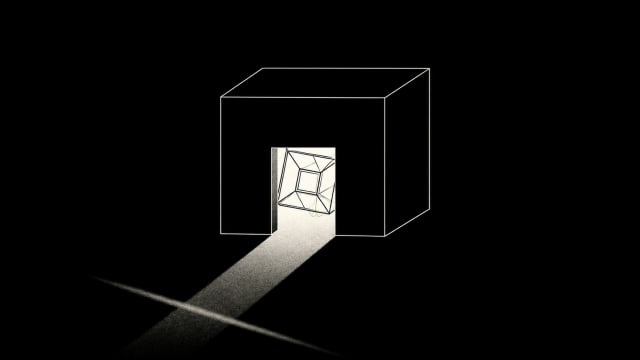
A thought experiment in higher dimensions asks whether what looks like a miracle might simply be reality viewed from a geometry we cannot perceive.
Poetry5 min
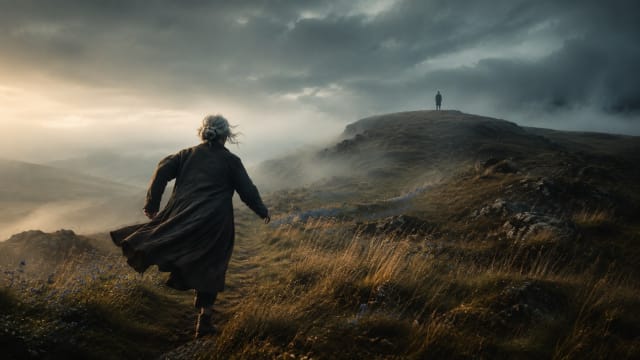
A woman confronts a past decision whose consequences continue to haunt her long after the relationship has ended.
Geopolitics6 min
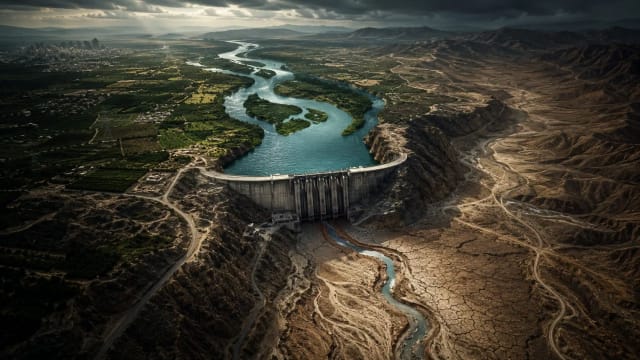
Water is rarely a weapon by itself. But when control over its flow creates unequal dependence, rivers can become instruments of geopolitical power.