The Supersonic Jet and the Money Already Spent
Continuing a failing project looks irrational until the cost of stopping is counted.

British and French officials continued to fund the supersonic airliner Concorde even after its costs had far exceeded early estimates and its commercial prospects had dimmed. Many economists call this a sunk cost error, since money already spent cannot be recovered and should not guide decisions about future spending. They therefore conclude that the officials, by continuing, must have reasoned badly.
Discussion
Sign in to join the discussion.
More in Behavioural Economics
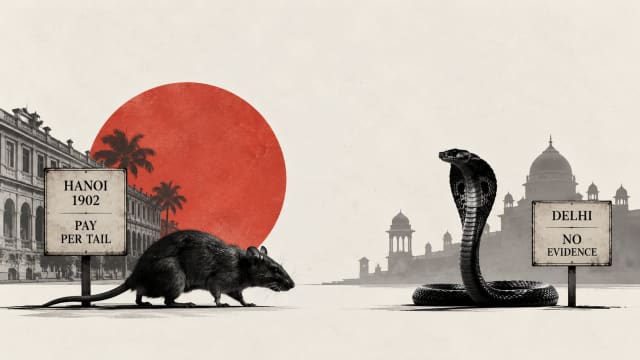
The Cobra Effect Was a Rat Problem
The most quoted warning about bad incentives concerns snakes in Delhi that nobody has been able to find. The rats of Hanoi, which did exist, made the same point and were forgotten.
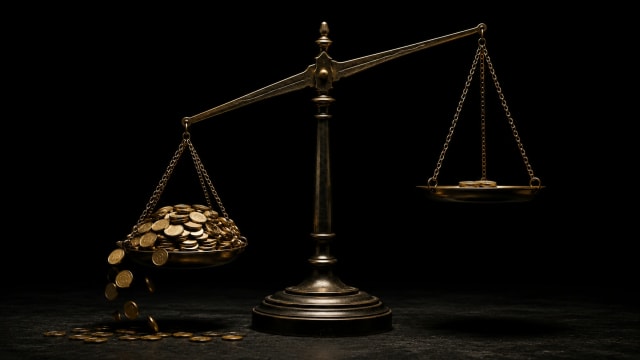
Losing Feels Worse Than Winning Feels Good: An RC Inspired by IIM Indore
Losses hurt twice as much as gains feel good. Kahneman and Tversky called this loss aversion. Economics has not been the same since.

The Paragraph That Moved The Market
A central bank governor says a few sentences about the future, and prices shift before any policy actually changes. Why does mere belief move an economy?

How Great Teams Are Deliberately Built?
Businesses often chase star performers, yet enduring success belongs to teams that cultivate trust, amplify one another's strengths, and never stop learning.