The Cola That Won the Taste Tests and Lost the Public
A reformulated soft drink beat its rivals in a vast programme of blind tastings and was withdrawn within three months. The data were not wrong. The question was.
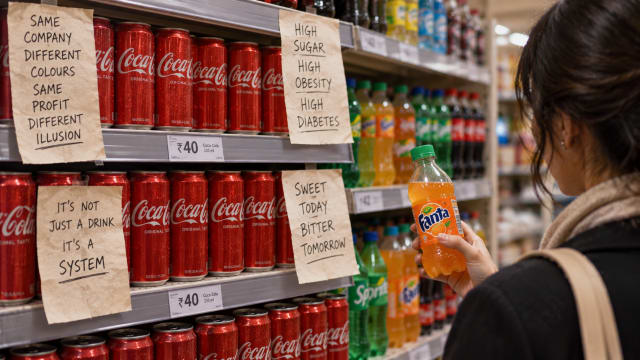
On 23 April 1985 the Coca Cola Company retired the formula it had sold for almost a century and replaced it with a sweeter drink, later called New Coke. The decision followed a long contest with Pepsi, whose televised taste challenges had suggested that many drinkers preferred a sweeter cola in small sips. The company reportedly ran close to two hundred thousand taste tests, and most of them favoured the new formula over both the old one and Pepsi.
Within days the company faced a flood of calls and letters of protest. Some drinkers hoarded cans of the old drink, and critics treated the change as an insult to a national symbol. The tests had measured which sample won a single sip. They had not measured what drinkers felt about losing a drink they had grown up with. Seventy nine days after the launch, on 11 July 1985, the company brought back the original recipe as Coca Cola Classic.
Analysts have long disagreed about what the episode proves. One view holds that the company blundered by trusting narrow data over the attachment of its customers. Another view, which some executives later suggested, holds that the uproar renewed public affection for the brand. The evidence cannot easily separate the two, since the same events support both readings.
The tests had measured which sample won a single sip.
For managers the case carries a narrower lesson. A test is accurate about the question it asks and silent about the questions it does not. A sip test answers which drink pleases the tongue first, while a purchase depends also on habit, identity and trust. Research that is rigorous within its design can still mislead when the decision it supports is wider than the design.
Discussion
Sign in to join the discussion.
More in Business & Management

The Giant That Declined a Small Partner and Defended Its Late Fees
Blockbuster is said to have turned down a chance to run Netflix, and the reasons were less foolish than the legend suggests.

The Camera Kodak Built and the Business It Could Not Break
Kodak is said to have died because it ignored its own invention. The record suggests a harder problem, that the future can be seen clearly and still be unprofitable to enter.

The Hawthorne Effect May Not Exist
For decades managers were taught that workers improve simply because they are watched. A reanalysis of the original lighting records in 2011 found little sign of it.

How Great Teams Are Deliberately Built?
Businesses often chase star performers, yet enduring success belongs to teams that cultivate trust, amplify one another's strengths, and never stop learning.