The Cliff That Was Built - An RC Inspired by IIM Indore
A famous film showed lemmings marching to their deaths in 1958. The scene was staged, and the myth it fed says more about the audience than about the animal.
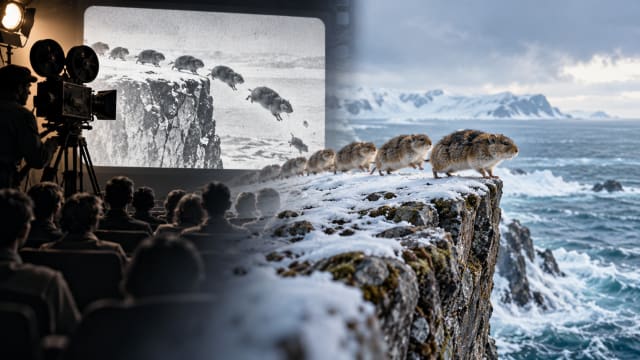
In 1958 Disney's nature film White Wilderness showed a scene that audiences never forgot. A narrator explained that lemmings, seized by a migratory frenzy, rush toward the Arctic Ocean and hurl themselves from a cliff into the waves. The film won an Academy Award for documentary feature and became a fixture of school screenings. Within a generation the word lemming had entered everyday speech as a verdict on anyone who follows a crowd to ruin.
The footage was staged. Investigations years later reported that the crew had filmed in Alberta, far from any sea, using animals bought from children in Manitoba. The lemmings were set on a snow covered turntable to imitate a swarm, and the fatal plunge was the work of film makers who pushed the animals over an edge and into a river. The migration was a stage set and the suicide was a stunt.
Nature offers a quieter account. Lemming numbers in northern regions rise and crash in cycles of a few years, and when a population peaks, young animals scatter in search of food and space. Some drown while crossing rivers and lakes and others fall to predators. The scattering is dangerous, but it is a gamble on survival and not a wish for death. What looks from outside like self destruction is a search for somewhere to live.
The story endured because it was useful. People have long wanted an animal that embodies conformity, a creature that follows the group over the edge without thinking, and the lemming obliged. The hunger for such a symbol is older than the film. Applying the label to others also carries a pleasant flattery, since nobody who uses it imagines being one of the herd.
The migration was a stage set and the suicide was a stunt.
A sceptic will point out that the legend predates the film. Travellers and naturalists had told tales of mass lemming migrations for centuries, and Disney merely borrowed a rumour already in circulation. The objection is fair as far as it goes. But the older tales were words, and words invite doubt in a way that pictures do not. A camera turns a legend into a record, and a record is believed because it appears to have no author.
The deeper puzzle concerns the borrowing. A fabricated animal became the standard image of human conformity, and millions adopted it without checking, which is conformity of exactly the kind it was supposed to mock. Whether the metaphor survives because it describes us or because it lets us feel exempt is unclear. If a false story about herd behaviour spread by herd behaviour, then the lemmings may have taught the lesson after all, though not the one the narrator meant.
Discussion
Sign in to join the discussion.
More in Animals
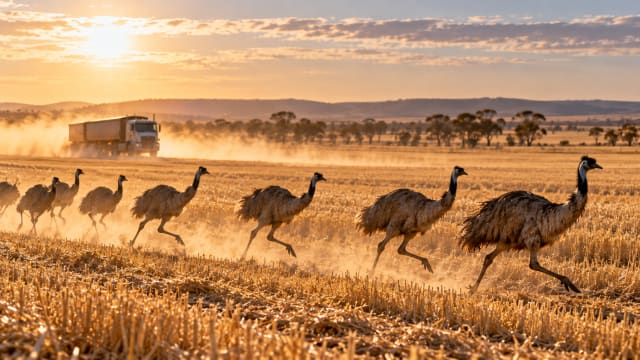
The Emu War and the Problem Soldiers Could Not Shoot
In 1932 machine guns were sent against emus in Western Australia, and the birds won the first round. The story is usually told as comedy, yet it hides a real question about what kind of problem an army can solve.
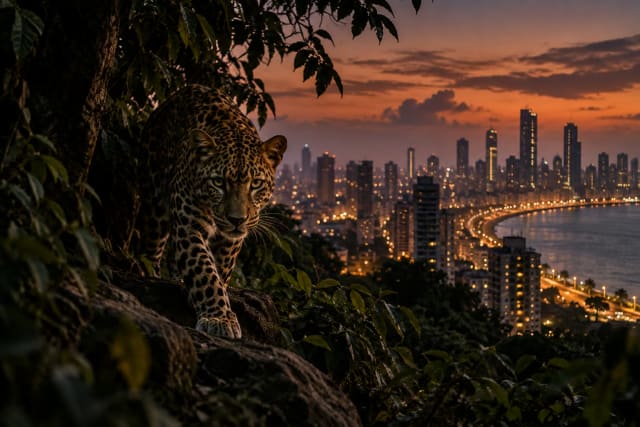
The Leopard That Moved Back to Mumbai: An RC Inspired by IIM Indore
47 leopards live inside Sanjay Gandhi National Park, entirely surrounded by Mumbai. They have killed more than thirty people since 2002. Neither the city nor the leopards are going anywhere.
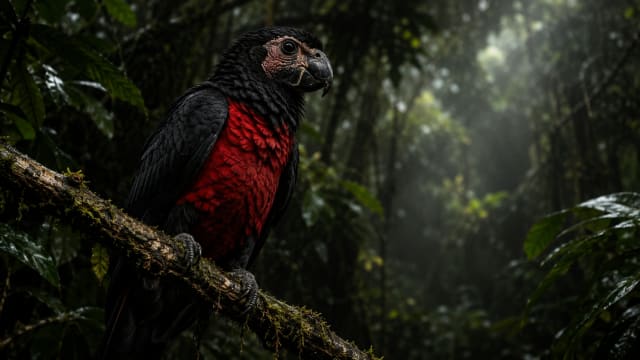
The Parrot That Bets Everything on One Fig: An RC Inspired by IIM Indore
The Dracula Parrot eats almost nothing but figs from a single genus of tree. Its beauty is the product of extreme specialisation. So is its vulnerability.
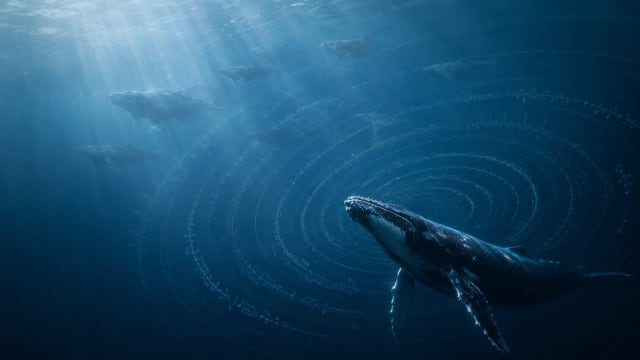
When Whales Learn to Sing: An RC Inspired by IIM Indore
Whale songs reveal how isolation, imitation and migration can create, preserve and erase cultural differences within animal populations.