Climate, ecology, animals and oceans appear as arguments about trade-offs and responsibility. These essays practise following a scientific case that also carries a moral or policy point.
25 long-form nature & environment essays, written at the density of real CAT passages, each with CAT, XAT and GMAT-style questions and explanations. For real exam passages, practise the solved CAT RC PYQs; for a daily routine, see CAT RC practice.
Ecology6 min
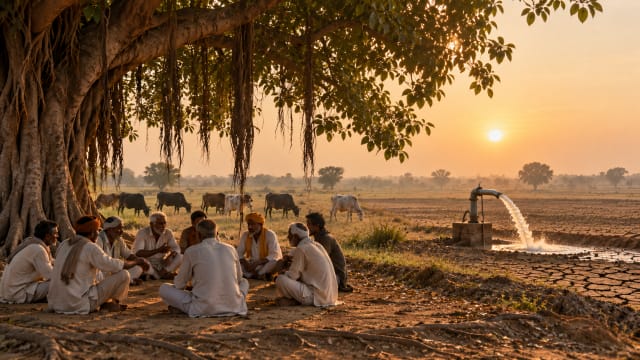
A famous parable says shared resources are doomed, yet villages in India and elsewhere have long proved otherwise, and the hardest cases are the ones nobody can see.
Environmental History1 min
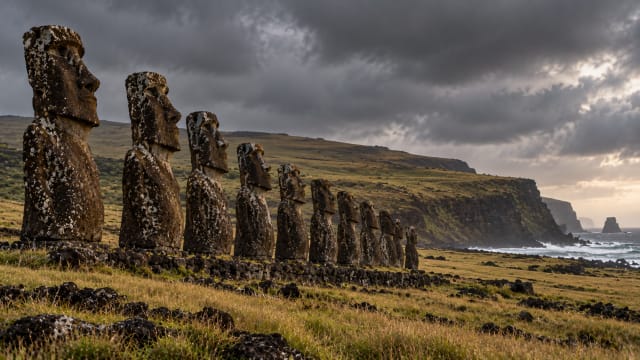
Easter Island became a warning about people who destroy their own world. New research asks whether the warning was aimed at the wrong culprit.
Ecology1 min
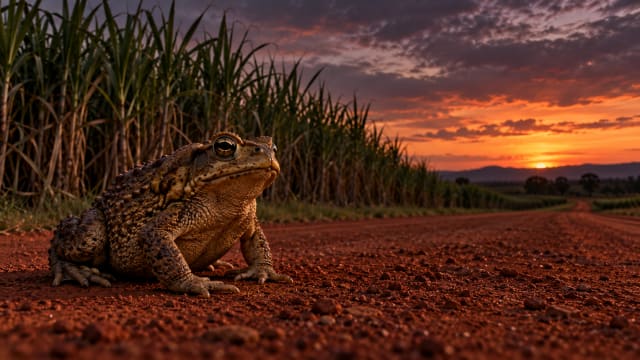
A species flourished in a new land, and some called that a success. The beetles it was brought to fight tell another story.
Animals1 min
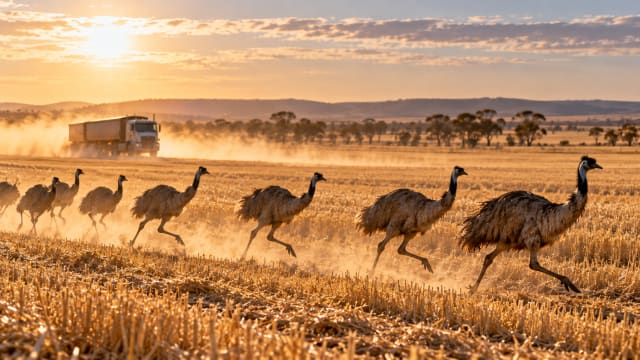
In 1932 machine guns were sent against emus in Western Australia, and the birds won the first round. The story is usually told as comedy, yet it hides a real question about what kind of problem an army can solve.
Animals3 min
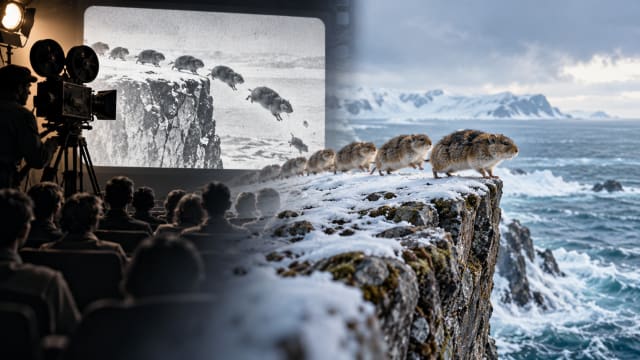
A famous film showed lemmings marching to their deaths in 1958. The scene was staged, and the myth it fed says more about the audience than about the animal.
Ecology5 min
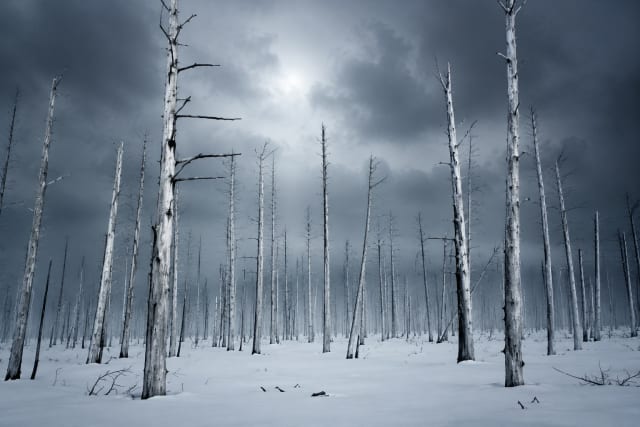
A fungal disease is erasing Europe's most familiar tree. What ash dieback reveals about the limits of knowing and caring about the natural world.
Animals5 min
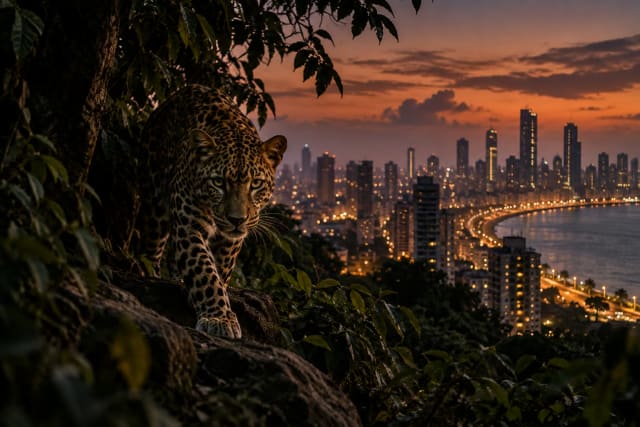
47 leopards live inside Sanjay Gandhi National Park, entirely surrounded by Mumbai. They have killed more than thirty people since 2002. Neither the city nor the leopards are going anywhere.
Animals5 min
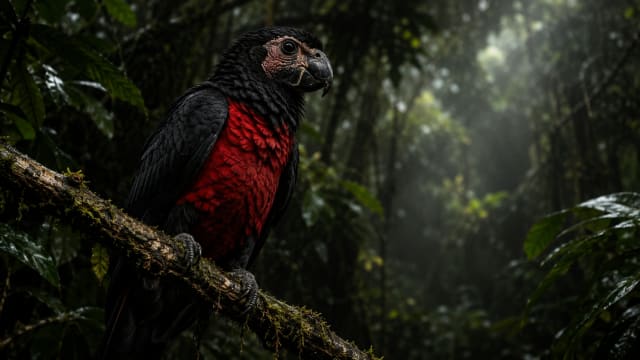
The Dracula Parrot eats almost nothing but figs from a single genus of tree. Its beauty is the product of extreme specialisation. So is its vulnerability.
Animals6 min
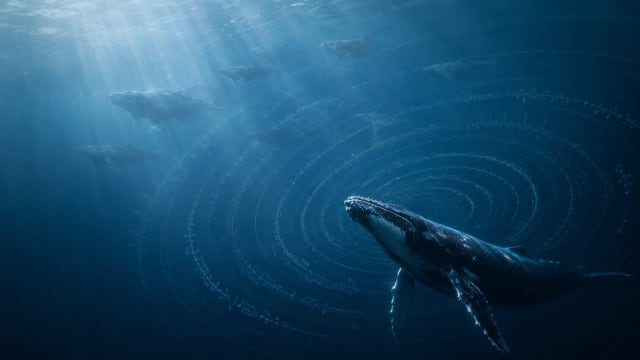
Whale songs reveal how isolation, imitation and migration can create, preserve and erase cultural differences within animal populations.
Evolution6 min
How does language shape our understanding of nature? Discover why animal behaviour, evolutionary biology and human perception are deeply intertwined.
Ecology6 min
Discover how ecological prototypes, living walls, and regenerative architecture could transform sustainable cities by turning buildings into ecosystems.
Ecology6 min
How science transformed a living world of angry mountains and speaking rivers into a universe of objects, and what humanity lost in the process.
Animals6 min
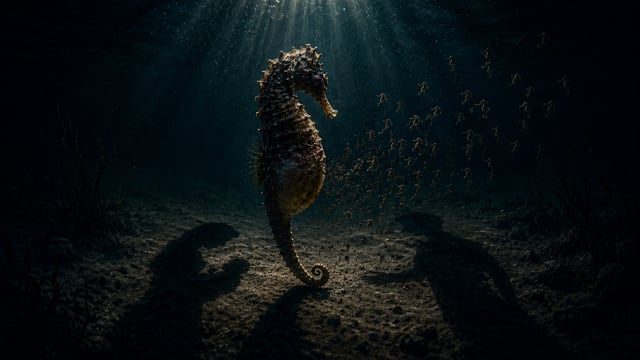
Can males be mothers? From pregnant seahorses to modern biology, science reveals how evolution challenges our ideas of parenthood.
Animals3 min
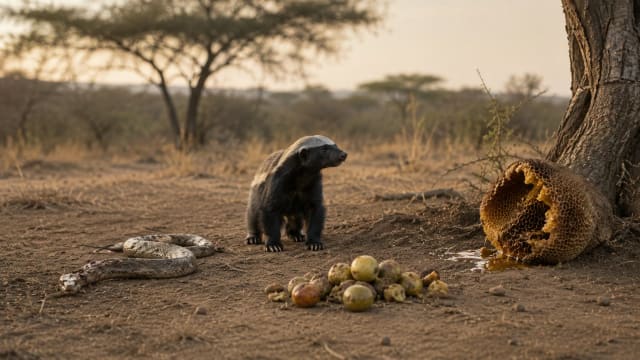
The honey badger is often portrayed as the animal kingdom's fearless rebel. Yet its greatest strength is neither aggression nor toughness.
Animals6 min
Why do mantis shrimp have the world's most complex eyes? The answer reveals how evolution shapes perception, communication, and reality itself.
Climate Change6 min
How cities became climate systems. Inside the hidden science of urban heat, Local Climate Zones, and the future of sustainable cities.
Animals5 min
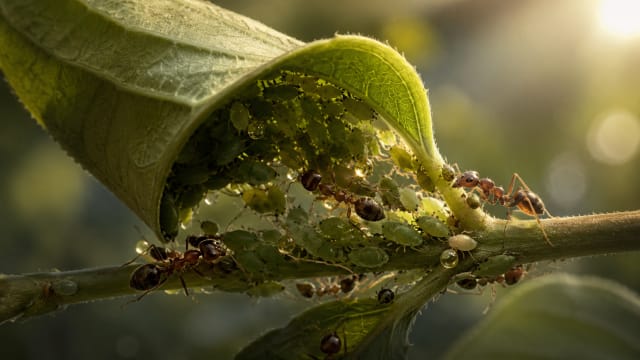
Beyond their fragility, aphids use asexual reproduction and ant-cooperation to turn individual weakness into a systemic, invincible survival strategy.
Animals5 min
Explore the Portuguese man o’ war, the venomous ocean drifter that challenges ideas of beauty, individuality, and survival in nature.
Animals5 min
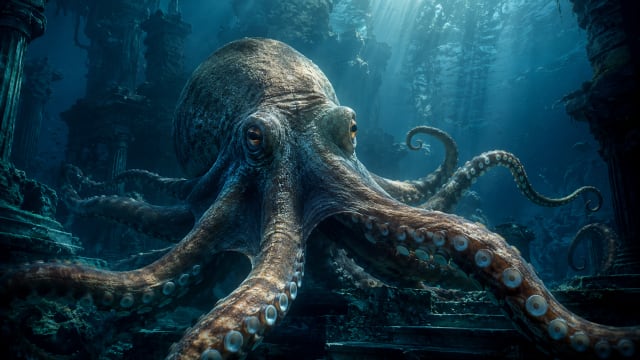
Explore the mysterious intelligence of octopuses and why these solitary sea creatures are reshaping how humans understand consciousness.
Climate Change5 min
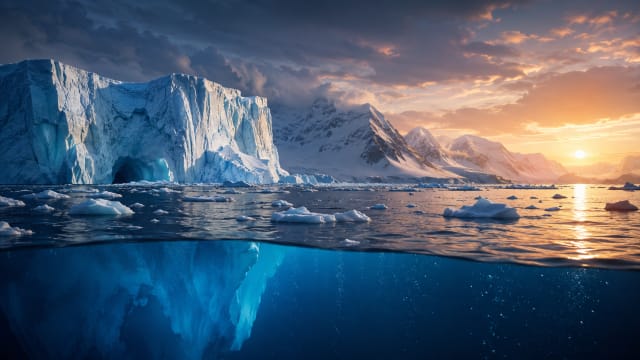
Explore how melting polar caps are reshaping climate, coastlines, and civilisation in this powerful essay on global warming and Earth’s future.
Animals5 min
A marmot’s stillness is not peace but vigilance, a lesson in survival where calm disguises constant calculation and life depends on attention.
Oceans5 min
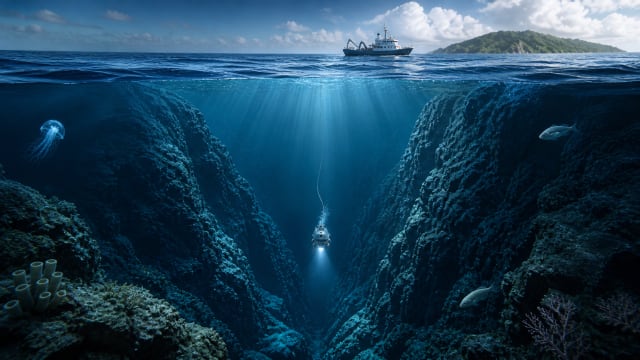
The Mariana Trench reveals the limits of human knowledge, where depth challenges perception, life defies extremity, and reality, exceeds conceptual frameworks.
Energy & Sustainability5 min
Efficiency can increase total consumption as lower costs drive higher demand, revealing why saving resources is harder than it seems.
Animals5 min
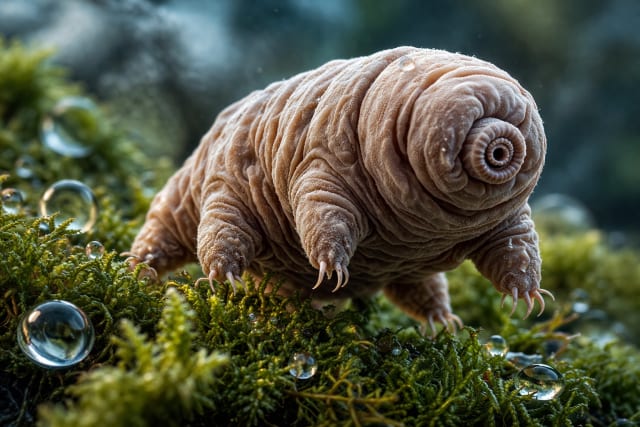
A microbe survives extreme conditions, showing resilience isn’t resistance but the quiet wisdom of withdrawal.
Animals5 min
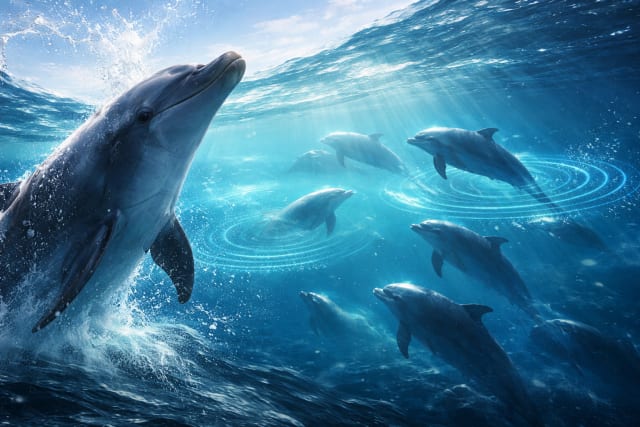
If humanity is defined not by tools but by narrative empathy and pluralism, dolphins may represent a parallel, aquatic civilization.