The Forest That Is One Tree and Is Slowly Vanishing
A Utah grove of aspen is counted as a single organism, and its size hides two questions that science has not fully answered.

In the Fishlake National Forest in Utah stands a grove of quaking aspen that biologists regard as a single organism. Its roughly forty seven thousand stems share one genetic identity and are joined beneath the soil by a root system, so the grove has been described as the most massive living thing on Earth. Claims about its age are less secure, with figures ranging from several thousand years to far longer, because each stem lives only a century or so and no method dates the underlying root system directly.
What is clearer is that the grove is thinning. Deer and cattle eat young shoots, and in many sections few saplings have grown tall enough to replace the dying stems. The organism's size, it seems, offers no protection against a slow failure of renewal.
Discussion
Sign in to join the discussion.
More in Ecology

The Pasture Hardin Imagined and the Commons Ostrom Found
A famous parable says shared resources are doomed, yet villages in India and elsewhere have long proved otherwise, and the hardest cases are the ones nobody can see.
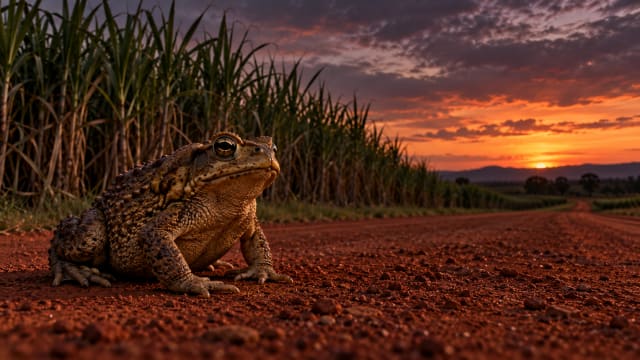
The Cane Toad Programme and the Beetles It Missed
A species flourished in a new land, and some called that a success. The beetles it was brought to fight tell another story.
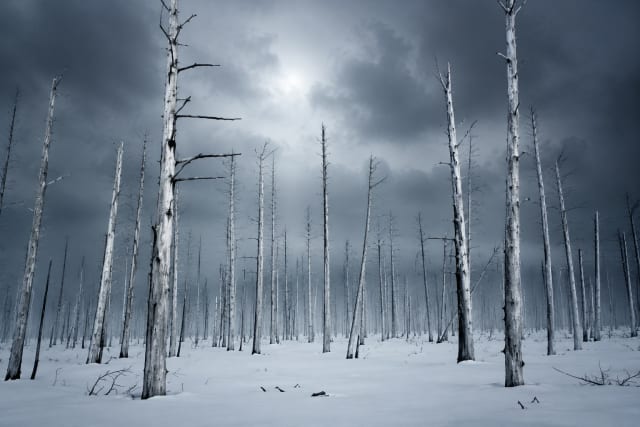
The Last Ash Tree: An RC Inspired by IIM Indore
A fungal disease is erasing Europe's most familiar tree. What ash dieback reveals about the limits of knowing and caring about the natural world.

The Building That Behaves Like an Ecosystem
Discover how ecological prototypes, living walls, and regenerative architecture could transform sustainable cities by turning buildings into ecosystems.