The Jevons Trap: The Hidden Cost of Doing Better
Efficiency can increase total consumption as lower costs drive higher demand, revealing why saving resources is harder than it seems.
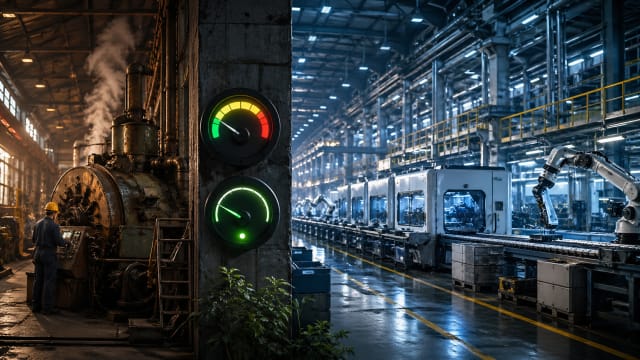
A factory hums more softly after an upgrade. The new machines sip electricity and move with less friction. They promise thrift and control. The manager smiles at the meter and trusts the numbers. Yet beyond the factory walls, demand begins to gather. Orders rise and production expands. The quiet hum turns into a steady roar. What looked like efficiency starts to reveal a deeper pattern in which saving at one level drives growth at another.
This pattern was first noticed by William Stanley Jevons in the nineteenth century while studying coal in industrial Britain. As steam engines improved, coal did not become scarce through restraint. It became abundant through use. Lower costs made coal easier to use. Industries expanded and railways spread. Total consumption rose. Efficiency did not reduce demand. It encouraged it. A technical gain reshaped behaviour across the economy.
The logic is simple but easy to ignore. When a resource becomes cheaper to use, people tend to use more of it. Efficiency lowers the cost per unit. Lower cost invites wider use. New uses appear and old uses intensify. Systems reorganise around this new ease. The result is not reduction but expansion. Efficiency acts less like a brake and more like an invitation.
Consider lighting. The energy needed to produce light has fallen sharply from candles to modern lamps. If efficiency alone determined outcomes, the world would now be dim. Instead it is brighter than ever. Streets glow through the night. Buildings shine long after they are empty. Screens stay on without pause. As light became cheaper, it spread into every corner of life. It moved from necessity into abundance.
Some argue that efficiency must still lead to savings. At a small scale this can be true. A household may reduce its electricity use after upgrading appliances. A driver may burn less fuel per trip. But these savings often vanish when viewed across society. Lower costs lead to more use. More use absorbs the gains. What looks like restraint in isolation becomes growth in total.
This does not make efficiency useless. It shows that it is not enough. If the goal is to reduce total use, efficiency must be paired with limits. Without limits, efficiency encourages expansion. It improves the method while leaving the scale unchecked. The system grows around the improvement.
The deeper lesson is subtle. We often think that doing something better means doing less of it. Improvement feels like control. Yet improvement lowers resistance. When something becomes easier and cheaper, it invites repetition. The line between need and excess fades. What begins as a gain in precision becomes a driver of growth.
Jevons revealed more than an economic pattern. He pointed to a feature of human behaviour. We respond to what becomes possible. When possibilities expand, actions expand with them. Efficiency changes the shape of choice and with it the outcome. The meter may fall for a moment, but the system adapts and grows. What we save in one place we often spend in another.
Discussion · 2
Summary: Efficiency doesn’t not reduce demand, it increases it. If something becomes abundant the system reorganise itself around this new ease, expanding the demand further. Some still argue that efficiency leads to savings which is true till some extent but in a wider perspective it fades away. If we want to reduce use then limits must be imposed with efficiency. Tone: Analytical
Jevon's Trap - Hidden Cost of Doing Better * Saving at one level drive growth of others. * Example of coal * Resource Cheap - People use more - New uses appear - Expansion * Example of light * Efficiency - Saving - at small scale but vanishes across society * Imp of limit * Better is not Less. Line is imp b/w need and excess. * Save at one place is spent at another.
Sign in to join the discussion.
More in Energy & Sustainability
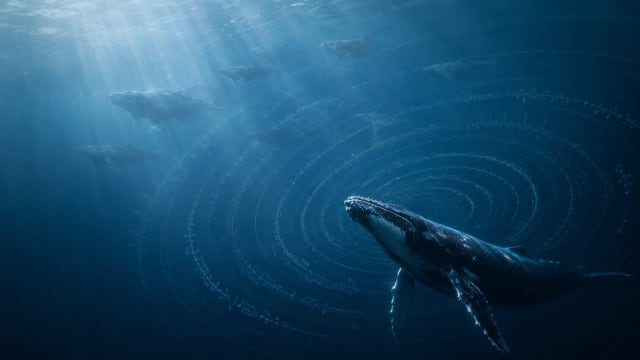
When Whales Learn to Sing: An RC Inspired by IIM Indore
Whale songs reveal how isolation, imitation and migration can create, preserve and erase cultural differences within animal populations.
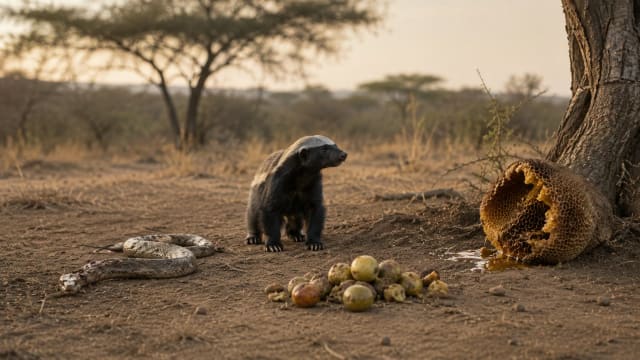
The Animal With a Thousand Plans
The honey badger is often portrayed as the animal kingdom's fearless rebel. Yet its greatest strength is neither aggression nor toughness.

Nature Does Not Speak. We Do.
How does language shape our understanding of nature? Discover why animal behaviour, evolutionary biology and human perception are deeply intertwined.
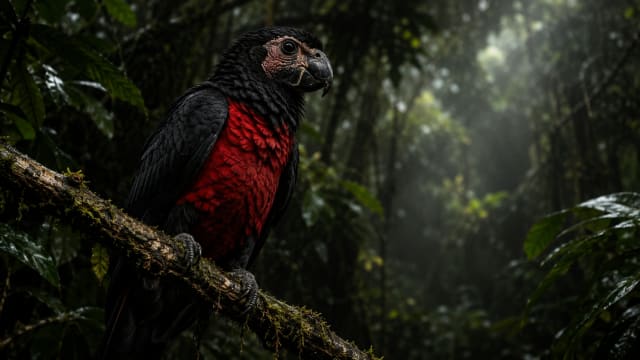
The Parrot That Bets Everything on One Fig: An RC Inspired by IIM Indore
The Dracula Parrot eats almost nothing but figs from a single genus of tree. Its beauty is the product of extreme specialisation. So is its vulnerability.