The Statues of Rapa Nui and a Collapse That May Have Come from Outside
Easter Island became a warning about people who destroy their own world. New research asks whether the warning was aimed at the wrong culprit.
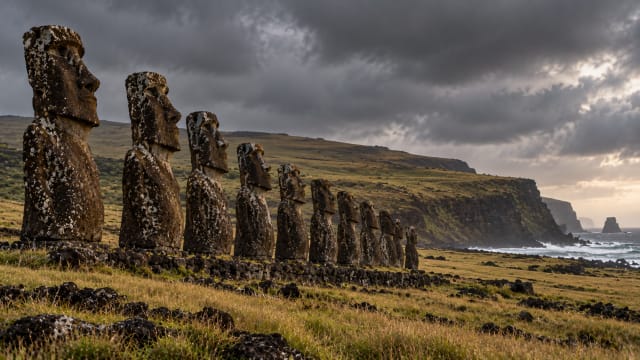
For decades the island of Rapa Nui, known in English as Easter Island, served as a parable of ecological suicide. Its builders, the story ran, felled the palm forests to move giant stone statues, and famine and warfare followed.
Archaeologists such as Terry Hunt and Carl Lipo have argued that the evidence fits this story poorly. Rats that arrived with the first settlers may have eaten the palm seeds, which would explain the lost forest without any mass felling. They also point to slave raids and introduced diseases in the nineteenth century as the likelier cause of the steepest population decline. Other researchers dispute parts of this reading, and the debate remains open.
Discussion
Sign in to join the discussion.
More in Environmental History
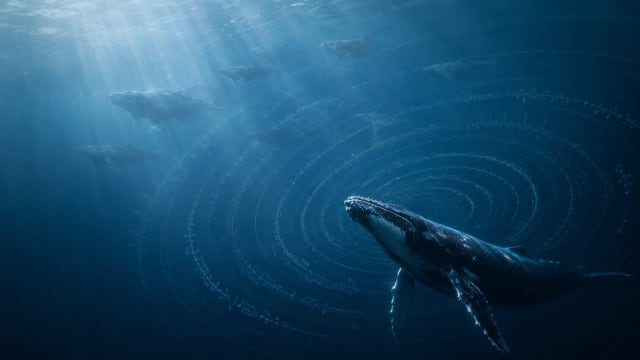
When Whales Learn to Sing: An RC Inspired by IIM Indore
Whale songs reveal how isolation, imitation and migration can create, preserve and erase cultural differences within animal populations.
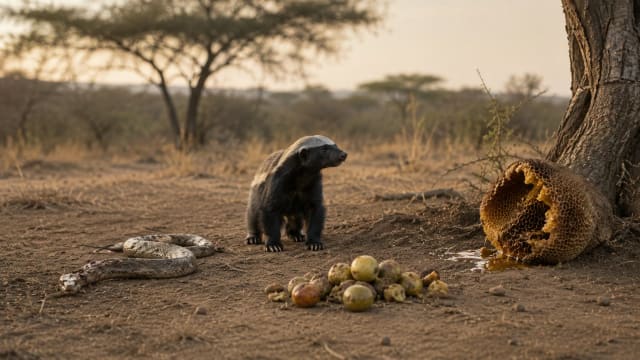
The Animal With a Thousand Plans
The honey badger is often portrayed as the animal kingdom's fearless rebel. Yet its greatest strength is neither aggression nor toughness.

Nature Does Not Speak. We Do.
How does language shape our understanding of nature? Discover why animal behaviour, evolutionary biology and human perception are deeply intertwined.
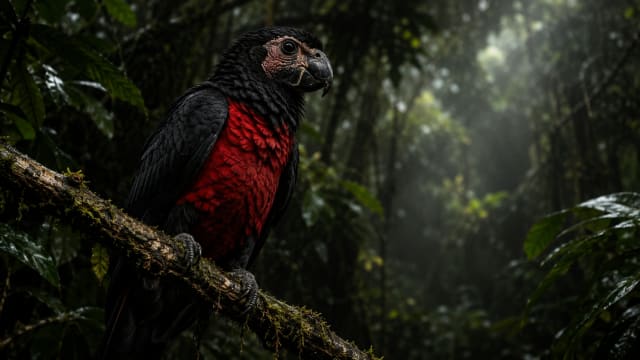
The Parrot That Bets Everything on One Fig: An RC Inspired by IIM Indore
The Dracula Parrot eats almost nothing but figs from a single genus of tree. Its beauty is the product of extreme specialisation. So is its vulnerability.