The Conviction That Fell on a Technicality and the Law That Stayed
A Tennessee teacher was convicted in 1925 for teaching evolution, and the conviction was undone two years later for a reason that had nothing to do with science. The law that put him in court lived on.

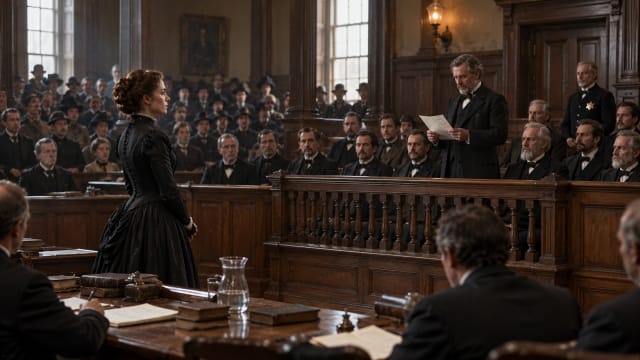
In July 1925, in the small town of Dayton in Tennessee, a young teacher named John Scopes stood trial for teaching evolution in a public school. The Butler Act, passed by the state legislature that March, had made it unlawful for teachers in publicly funded schools to teach any theory that denied the biblical account of creation. The trial drew crowds and reporters, and its lawyers were famous. William Jennings Bryan, a former presidential candidate, assisted the prosecution, and Clarence Darrow led the defence.
The jury took about nine minutes to find Scopes guilty, and the judge fined him one hundred dollars. By the measure of the courtroom, the law had won. Yet the argument that mattered was fought outside the verdict, in newspapers across the country, where the case came to be remembered as a contest between faith and science.
In 1927 the Tennessee Supreme Court set aside the conviction, but not because it found the Butler Act unjust. It held that the fine had been fixed by the judge, while the state constitution required a jury to set any fine above fifty dollars. The court also advised the state not to pursue the case further. The law stayed on the statute books for decades and was repealed only in 1967.
Historians have noted a further irony. Scopes had been a substitute teacher, and he is reported to have said later that he could not be sure he had ever taught the lessons on evolution for which he was charged. The case had been arranged by townspeople and a civil liberties group as a test, and a test does not need a perfect defendant.
Discussion
Sign in to join the discussion.
More in Law & Justice

The Judgment That Freed One Man and Left Slavery Standing
Lord Mansfield's famous ruling of 1772 is remembered as the end of slavery in England. The real holding was far smaller, and its reach far greater.

The Reservoir That Burst and the Rule India Chose to Outgrow
An English reservoir gave the common law a rule about dangerous things. A gas leak in Delhi showed why India needed a stricter one.
The Acquittal That Did Not Mean Innocence
Lizzie Borden walked free in 1893, and the verdict shows what a court can and cannot declare.

The Charter That Failed in Ten Weeks and Won the Centuries
Magna Carta was annulled by a pope within weeks of being sealed. Its afterlife in courts and parliaments has outlasted almost everything it originally said.