The Village Republic and the Sink of Localism
Gandhi saw the village as a republic and Ambedkar saw it as a trap, and India's long experiment with panchayats has still not decided between them.
GRADFLIX Editors · Hard
Democracy, law, policy and war appear in exams as arguments with two or three competing positions. These essays train you to separate who says what, and to spot when the author is quietly taking a side.
24 long-form politics & governance essays, written at the density of real CAT passages, each with CAT, XAT and GMAT-style questions and explanations. For real exam passages, practise the solved CAT RC PYQs; for a daily routine, see CAT RC practice.
Gandhi saw the village as a republic and Ambedkar saw it as a trap, and India's long experiment with panchayats has still not decided between them.
Lord Mansfield's famous ruling of 1772 is remembered as the end of slavery in England. The real holding was far smaller, and its reach far greater.
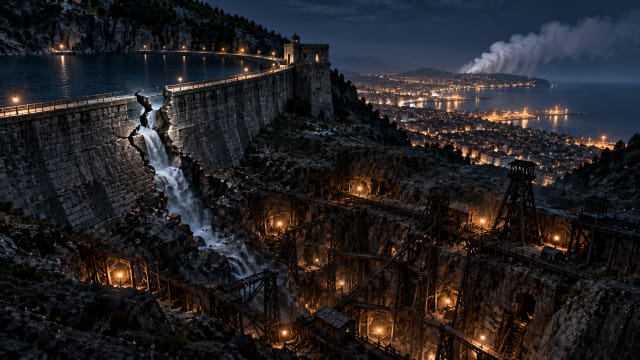
An English reservoir gave the common law a rule about dangerous things. A gas leak in Delhi showed why India needed a stricter one.
A Tennessee teacher was convicted in 1925 for teaching evolution, and the conviction was undone two years later for a reason that had nothing to do with science. The law that put him in court lived on.
India stopped counting caste in 1951 and is preparing to count it again. Whether a census describes a society or helps to build it is a question older than the Republic.
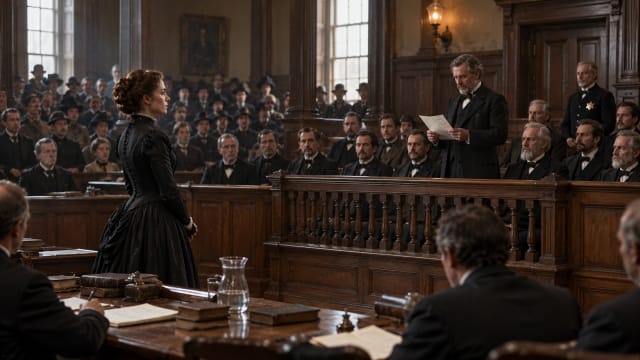
Lizzie Borden walked free in 1893, and the verdict shows what a court can and cannot declare.
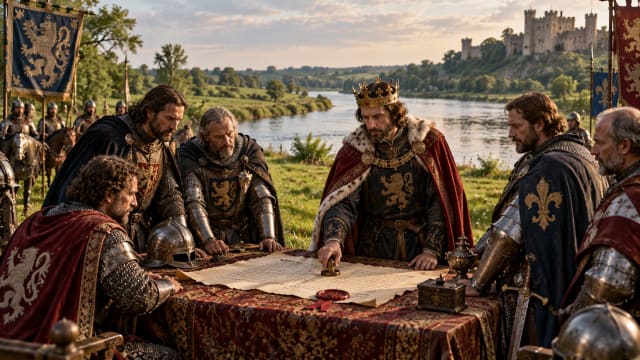
Magna Carta was annulled by a pope within weeks of being sealed. Its afterlife in courts and parliaments has outlasted almost everything it originally said.
Ambedkar warned that India was entering a life of contradictions, with equal votes and unequal lives. Seven decades later, the warning has neither expired nor been fulfilled.
The Athenians who invented democracy filled most offices by lottery, and Aristotle called elections the mark of oligarchy. The word we use for our own system may belong to a different idea.
North Korea did not ban mirrors. It did something more precise. It ensured that the only reflection available to its citizens was the one the state had prepared for them.
Machiavelli was more than a ruthless strategist. His work reveals a deeper tension between political power, realism, civic virtue and republican freedom.
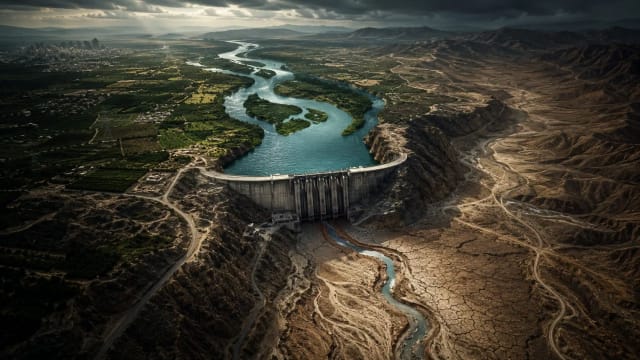
Water is rarely a weapon by itself. But when control over its flow creates unequal dependence, rivers can become instruments of geopolitical power.
Why great companies outlive great CEOs. Explore corporate governance, institutional resilience, succession planning, and the myth of indispensable leaders.
An exclusive extract from Abhishek Leela Pandey's The Art of Corporate Power, exploring how capitalism transformed warfare into strategic competition.
Is the nation state losing its monopoly on power? Discover why the twenty first century increasingly resembles the political architecture of the Middle Ages.
Modern forensic science is solving decades old cold cases through DNA, genetic genealogy, and evidence that never forgot the truth.
The Strait of Hormuz carries the lifeblood of the global economy, revealing how geography still shapes trade, energy, and power.
A haunting essay on spies, secrecy, and identity exploring how espionage turns ordinary people into living masks.
How memes, symbolism and digital spectacle transformed modern geopolitics into a new form of folklore in the algorithmic age.
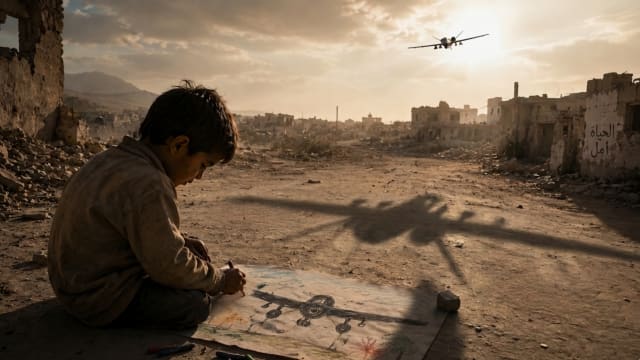
How drones transformed modern warfare by separating violence from vulnerability, reshaping heroism, ethics, and the psychology of conflict.
A narrow strait that shapes global trade, migration, and power, showing how geography quietly controls the flow of the modern world.
Can law judge intent when the brain shapes action? A sharp look at how neuroscience unsettles responsibility and reshapes justice.
An argument that corporate heritage, like a building's “dead load,” can quietly exhaust an organisation's capacity to adapt.
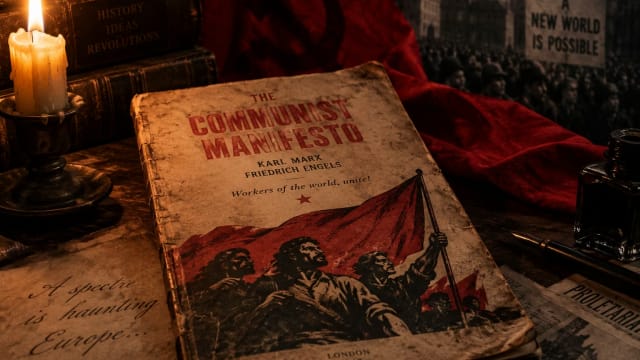
The Manifesto was written in six weeks by two men in their twenties. It inspired revolutions on four continents. The question is not whether its argument is correct. It is why the argument works so well.