The Sugar Dose That Was Never Given
Parents who thought their sons had eaten sugar saw wilder behaviour, though no sugar was served. The finding raises a question about how much of what adults observe is brought in from their own expectations.

In one study reported in 1994, mothers who believed their sons were sensitive to sugar were told that the boys had been given a large dose of it. In fact every boy received a sugar free placebo. These mothers rated their sons as more hyperactive than did mothers truthfully told that their sons had received a placebo. The researchers concluded that belief in a sugar effect, rather than sugar itself, shapes what parents see.
Discussion
Sign in to join the discussion.
More in Medicine & Health

The Placebo That Knew It Was a Placebo
Patients in a 2010 Harvard trial were handed a bottle labelled placebo and told that the pills held no medicine. Many of them improved anyway, and medicine has not yet agreed on why.
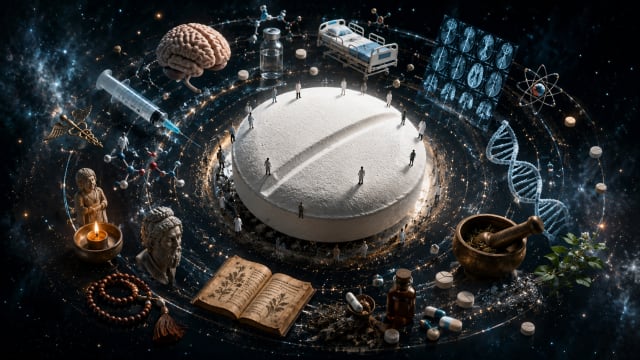
The Chemistry of Belief
Explore the placebo effect and how belief, psychology and modern medicine together shape healing, pain and human biology.
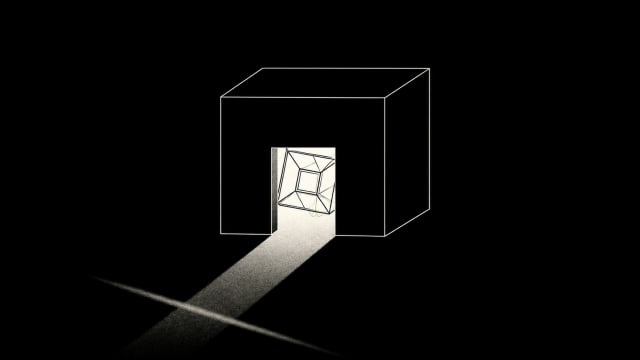
Would a Fourth Dimensional Being Be a God?
A thought experiment in higher dimensions asks whether what looks like a miracle might simply be reality viewed from a geometry we cannot perceive.

Why Humans Have the Largest Penis Among All Primates: An RC Inspired by IIM Indore
Desmond Morris had a simple answer. Modern biology has a more complicated one. What changed between 1967 and now reveals as much about science as it does about human anatomy.