The Dancers of Strasbourg and the Cure That Fed the Plague
In the summer of 1518 a street in Strasbourg filled with people who could not stop dancing, and the official remedy may have made things worse.
GRADFLIX Editors2 Qs · Medium
41 long-form science essays, written at the density of real CAT passages, each with CAT, XAT and GMAT-style questions and explanations. For real exam passages, practise the solved CAT RC PYQs; for a daily routine, see CAT RC practice.
In the summer of 1518 a street in Strasbourg filled with people who could not stop dancing, and the official remedy may have made things worse.
Removing a pump handle is said to have stopped a cholera outbreak in London. The truth is quieter, and it matters more.
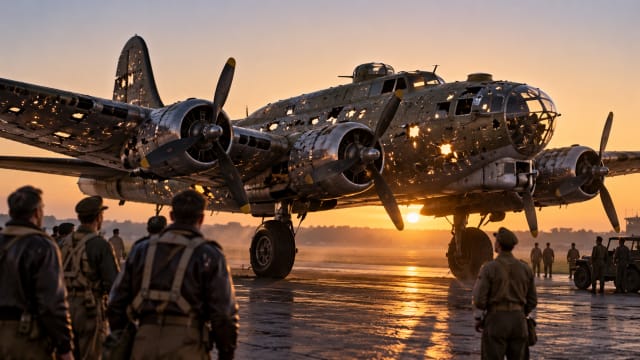
The statistician Abraham Wald is credited with telling the military to armour the parts of its bombers that showed no bullet holes. The advice sounds backwards until a reader asks which planes were never seen.
Patients in a 2010 Harvard trial were handed a bottle labelled placebo and told that the pills held no medicine. Many of them improved anyway, and medicine has not yet agreed on why.
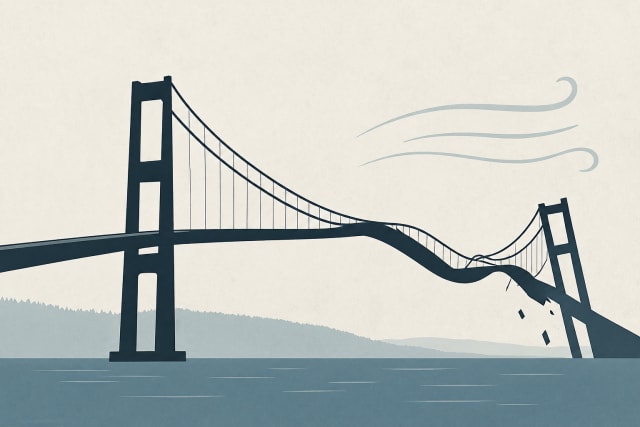
The collapse of the Tacoma Narrows Bridge is taught as a lesson in resonance. Two engineers argued in 1991 that the lesson was wrong.
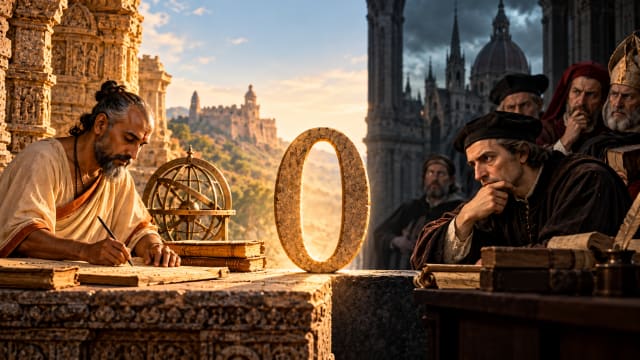
Indian mathematicians were calculating with zero by the seventh century. Europe's bankers banned the numerals that carried it, and the word for it still holds the suspicion.
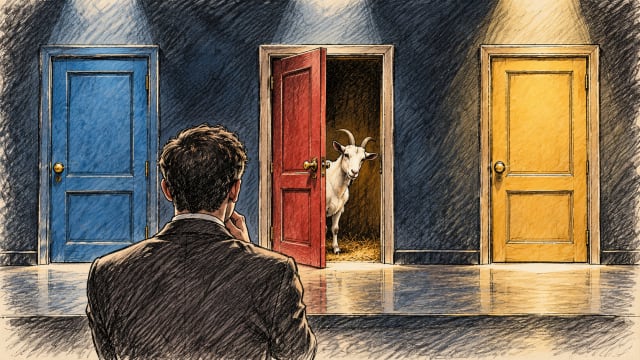
In 1990 a magazine columnist gave a correct answer to a game show puzzle and was buried in angry letters from people with doctorates. The mistake that followed reached the greatest mathematicians too.
In 1858 a wrong theory of disease pushed London to build the sewers that ended its cholera. The success was real, and it may be the most dangerous kind of evidence.
A Tanzanian schoolboy, Aristotle and Descartes all reported that hot water can beat cold water to ice. Two thousand years later, nobody can say whether they were right.
The story of Einstein failing his exams has survived a century of correction. The reason it survives tells you more about human psychology than it does about Einstein.
Desmond Morris had a simple answer. Modern biology has a more complicated one. What changed between 1967 and now reveals as much about science as it does about human anatomy.
Most animals mate seasonally. Humans do not. The question is not why humans have more sex. It is what human sexuality has become, and why it looks less like animal mating and more like language.
Dark matter has never been directly observed. We are nonetheless highly confident it exists. The gap between these two facts reveals something important about how science actually works.
A thought experiment in higher dimensions asks whether what looks like a miracle might simply be reality viewed from a geometry we cannot perceive.
Is monogamy a biological destiny or a cultural invention? A philosophical exploration of polyamory, love, evolution, and the arithmetic of romance.
Long before natural selection shaped life, the geometry of space had already determined which organisms could exist and which never could.
What if the biggest obstacle to time travel isn't physics but identity? Before bending spacetime, we may need to answer who actually travels.
A tiny shadow sent astronomers across oceans, empires into competition and science into a new age. The transit of Venus reveals the power of curiosity.
A reflective essay on teenage love, mathematical thinking, and why I instinctively translated people, emotions, and the world into algebra.
Is Mars colonization humanity's ultimate insurance policy, or a costly distraction from Earth's problems? Explore the backup planet paradox.
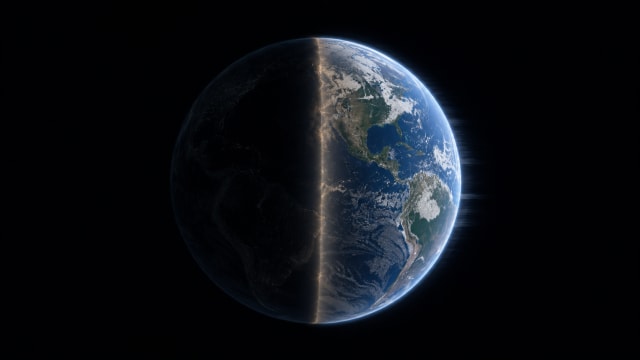
What would happen if the Earth stopped spinning? Explore the science, climate chaos, and hidden forces that make life on our planet possible.
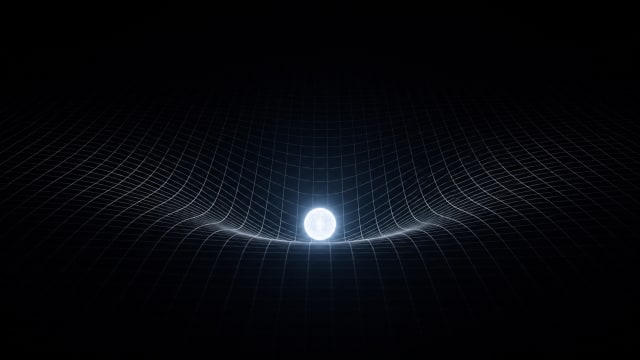
As physicists explore the Big Rip, a deeper question emerges. Is gravity merely a force, or the universe's oldest form of connection?
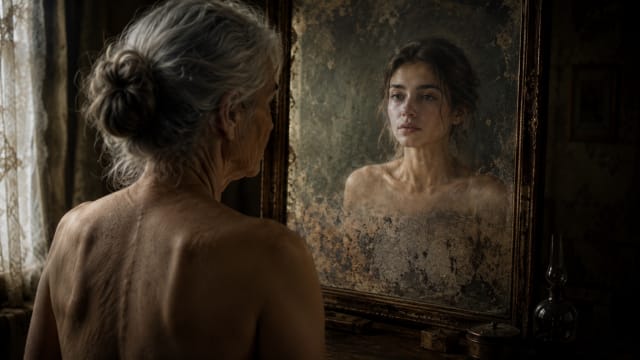
Why the person in the mirror is not you. Explore the science of light, consciousness, time, memory, and human identity.
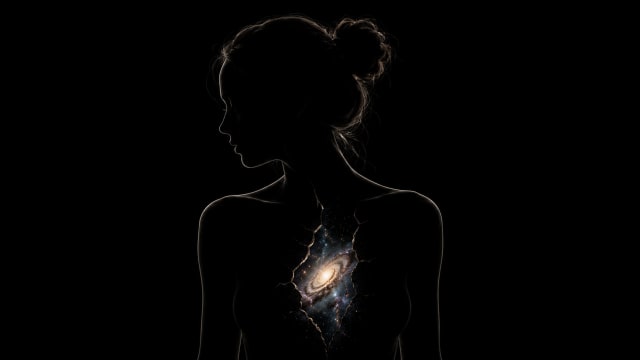
The atoms in your body were born in stars that died before Earth existed. Here is the astonishing story hidden inside every human being.
Why humanity’s search for alien life is really a search for meaning, uniqueness, and our place in a silent universe.
Explore why death may be essential for life through evolution, biology, cancer, aging and the hidden role mortality plays in sustaining nature.
Explore the placebo effect and how belief, psychology and modern medicine together shape healing, pain and human biology.
Explore the mystery of black holes, where gravity bends spacetime, light cannot escape, and modern physics confronts the limits of human understanding.
A poetic reflection on shunya showing how zero transforms absence into structure, shaping mathematics, thought, and the architecture of reality.
A reflection on quantum physics reveals that reality is not fixed but emerges through observation, where particles exist as possibilities until they are seen.
A reflective exploration of whether alien life exists, balancing scientific probability with cosmic silence.
A meditation on the cosmic silence that surrounds us, this essay explores whether humanity is a rare accident or part of a vast, unseen community. It argues that the question of being alone reveals less about the universe and more about the limits of human perception and responsibility.
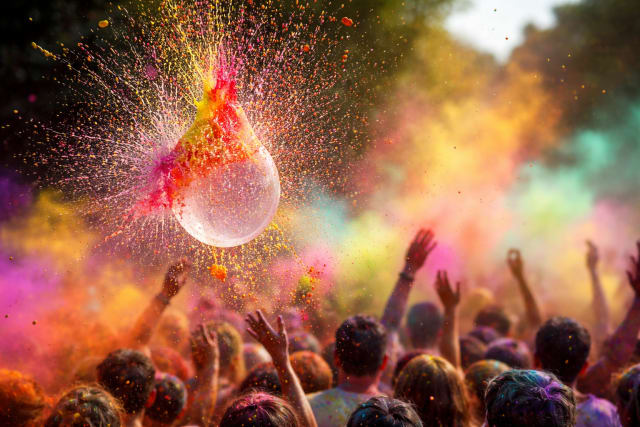
A Holi celebration becomes a living diagram of diffusion and turbulence, revealing how what appears chaotic, moves according to invisible structural laws.
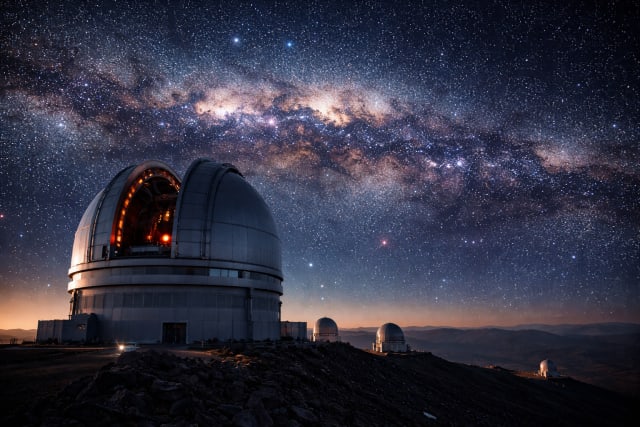
Observational astronomy shows that by refining how we look, we refine what we can claim to know about the universe.
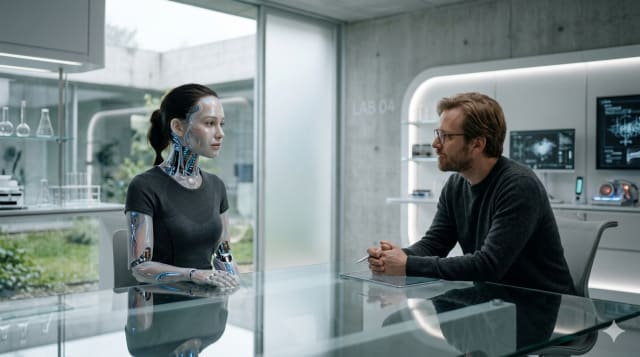
As machines begin to act like thinkers, the line between tool and person blurs, forcing us to rethink what personhood truly means.
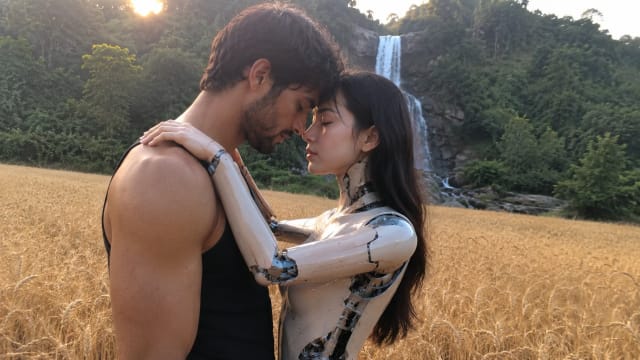
Artificial companions do more than imitate intimacy. They expose the hidden assumptions that have always shaped how humans recognise love.
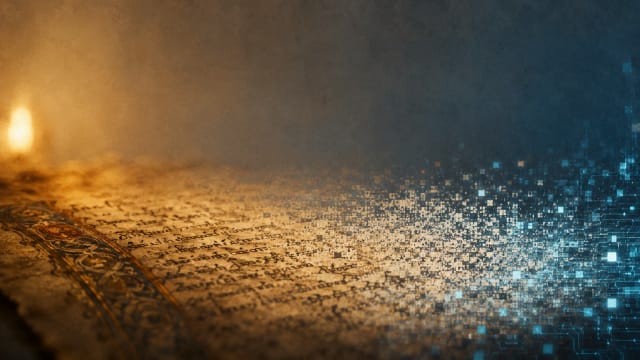
AI systems increasingly learn from text that earlier AI systems wrote. History has seen this error before, in monasteries.
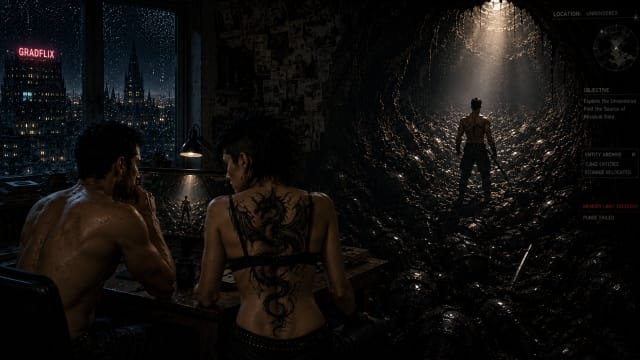
A haunting essay on video games, memory, and digital guilt where a hidden cave of corpses reveals the terrifying morality of virtual worlds.
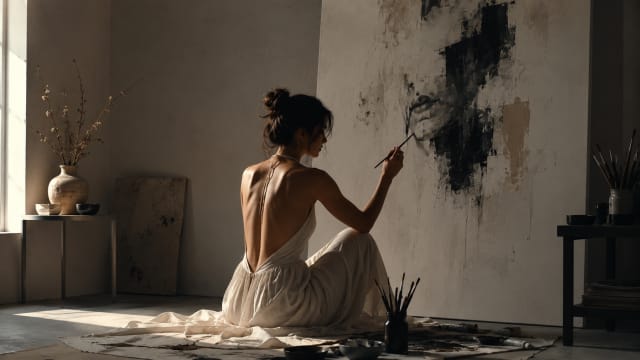
Why does AI art feel inhuman? A philosophical essay on creativity, technology, authenticity, and the shifting meaning of artistic expression.
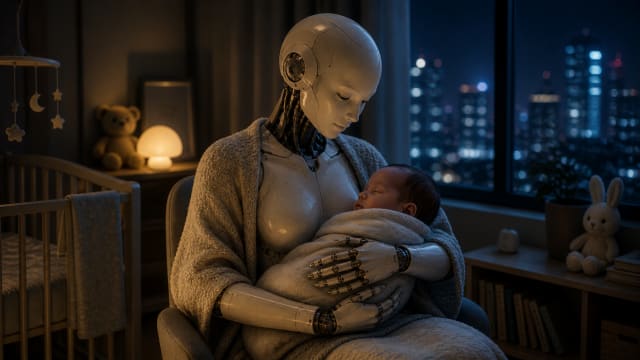
A reflective essay on humanoid caregivers, exploring whether perfect, optimized care can ever replace the messy, meaningful essence of human motherhood.
Artificial intelligence is reshaping the world, but hidden datacenters, rising energy use, and ecological costs reveal the true price of the AI revolution.