Dolphins as the “Other” Humanity
If humanity is defined not by tools but by narrative empathy and pluralism, dolphins may represent a parallel, aquatic civilization.
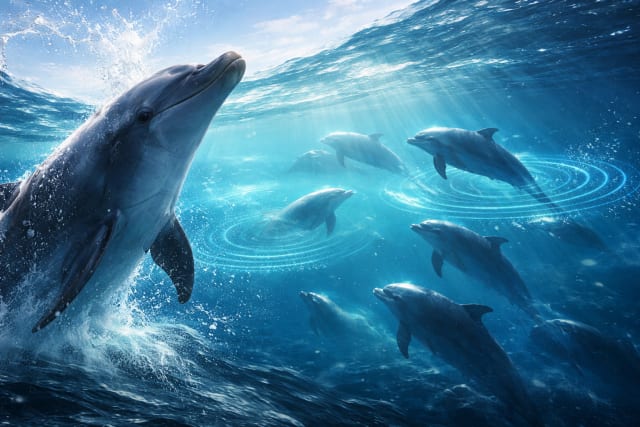
A dolphin breaks the surface and inhales. For a flicker, the air must taste acrid—thin, dry, almost abrasive—before it slips back into the weightless logic of water. We call that leap instinct. We call ourselves human. Yet perhaps our definition of humanity is a synecdoche: we have mistaken the hand—our tool-making genius—for the whole of sophisticated consciousness.
If humanity means narrative empathy and pluralism—the capacity to sustain many selves within a shared story—then dolphins begin to look less like animals and more like an aquatic parallel. A pod has no walls, no flags, no visible borders. Its cohesion travels by sound. Dolphins weave identity through whistles and clicks, each signature call a name cast into the commons. Where humans draw lines on land, dolphins braid currents of acoustics.
A civilization requires durable social bonds sustained by shared symbols. Dolphins maintain lifelong alliances through vocal signatures, cooperative hunting, and intergenerational care. Their society persists not by accident but by constant communication. They are not land-bound dreamers; they are liquid thinkers. Their polity is sonic. The self does not stand apart and declare sovereignty; it pulses, answers, echoes. The pod endures because each member keeps broadcasting the group into being. Humans build with stone and steel. Dolphins build with memory and sound.
Skeptics insist that without opposable thumbs, without monuments or machines, there is no “logic of reality,” no civilization—only instinct romanticized. Civilization, they argue, leaves artifacts. It stacks bricks. It prints laws. But this view confuses durability with depth. Dolphins cannot pour concrete, yet they construct intricate internal architectures—maps of kinship, reputations, alliances—that endure for decades. Their songs travel miles; their memories travel years. If building means shaping an environment to stabilize meaning, then dolphins build socially what we build materially. Our focus on tools may be myopic: a species that survives by sculpting minds rather than matter still practices a form of world-making. Theirs is an architecture without ruins.
The implication unsettles us. If an aquatic humanity thrives beneath the surface, then our specialist knowledge of ourselves does not exhaust the category of “the human.” Recognizing dolphin intelligence is not sentimentality about animals; it is a mirror angled back at us. We discover that the self need not leave a footprint to be real. Civilization may be less about the hand that grasps and more about the voice that answers. To hear the dolphin's whistle as political speech is to revise our own story: humanity might be a chorus, not a monopoly.
Discussion · 1
Humans think civilization means tools and buildings. But dolphins show another way. They use sound, strong relationships, and memory to live together. They don’t build things, yet have organized societies. This suggests civilization is not only about physical objects, but also about communication and shared understanding.
Sign in to join the discussion.
More in Animals
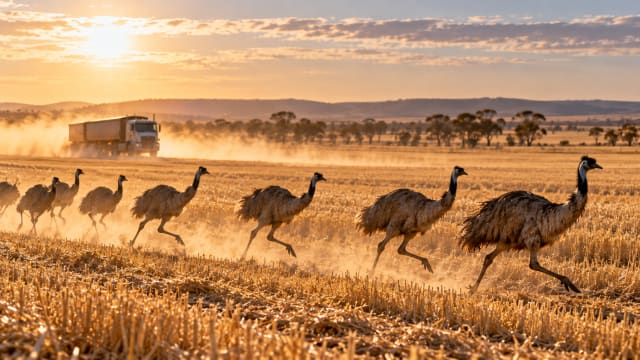
The Emu War and the Problem Soldiers Could Not Shoot
In 1932 machine guns were sent against emus in Western Australia, and the birds won the first round. The story is usually told as comedy, yet it hides a real question about what kind of problem an army can solve.
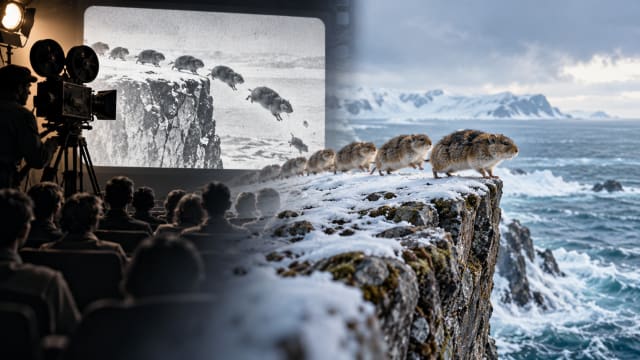
The Cliff That Was Built - An RC Inspired by IIM Indore
A famous film showed lemmings marching to their deaths in 1958. The scene was staged, and the myth it fed says more about the audience than about the animal.
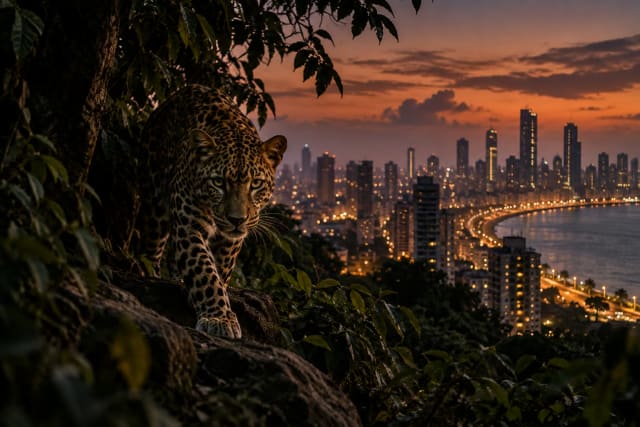
The Leopard That Moved Back to Mumbai: An RC Inspired by IIM Indore
47 leopards live inside Sanjay Gandhi National Park, entirely surrounded by Mumbai. They have killed more than thirty people since 2002. Neither the city nor the leopards are going anywhere.
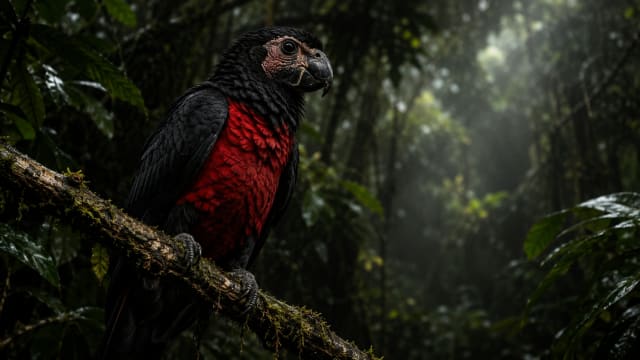
The Parrot That Bets Everything on One Fig: An RC Inspired by IIM Indore
The Dracula Parrot eats almost nothing but figs from a single genus of tree. Its beauty is the product of extreme specialisation. So is its vulnerability.