The Discipline of Observational Astronomy
Observational astronomy shows that by refining how we look, we refine what we can claim to know about the universe.
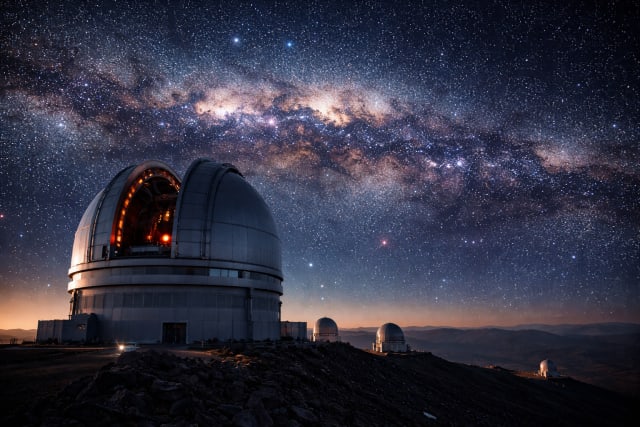
The field's thesis is deceptively simple. We learn what the universe is by watching what it does. From Galileo Galilei angling a tube toward Jupiter's moons to the Hubble Space Telescope fixing its gaze beyond our galaxy, observation has preceded explanation. Premise one: light carries information. Premise two: instruments can discipline sight. Conclusion: by refining our seeing, we refine our knowing.
Consider how this discipline matured. Spectroscopy split starlight into barcodes, revealing hydrogen's whisper in distant suns. Photometry measured subtle dimmings and found planets by their shadows. Radio arrays stitched together continents to hear quasars hiss. The James Webb Space Telescope now peers in infrared, catching the redshifted glow of early galaxies; the Very Large Telescope steadies its mirrors with adaptive optics, undoing the atmosphere's shimmer. Each device is a prosthetic for humility: it corrects the eye's arrogance.
A skeptic might say astronomy is mostly theory—equations curving spacetime, simulations birthing galaxies in silicon. But theory without observation floats; it risks becoming metaphysics with math. The history of the field rebuts this gently. Edwin Hubble did not deduce expansion from an armchair; he measured Cepheids and watched galaxies recede. Dark matter was not proclaimed; it was inferred from stubborn rotations. Observational constraints prune speculation. They force the cosmos to answer back.
Yet the practice is not mere data collection. It is structured attention. Astronomers design surveys the way architects distribute load: what wavelength, what cadence, what sky? They subtract bias, calibrate noise, and stack exposures until faint truths surface. In this sense, observational astronomy is an ethics of looking. It admits that reality is faint, that patience is a method, that error bars are virtues.
Here is the upshot. In an age drunk on instant inference, the telescope models a slower intelligence. It waits for photons that took billions of years to arrive and refuses to hurry them. Perhaps that is the quiet revelation: to know the universe, we must first learn to watch it—carefully, collectively, and long enough for the dark to speak.
Discussion · 1
Observational astronomy teaches us that true understanding comes from careful observation, patience and evidence, not quick assumptions. The way astronomers observe, analyze and verify before reaching conclusions is a lesson we can apply to learning anything in life. - 09
Sign in to join the discussion.
More in Space & Astronomy
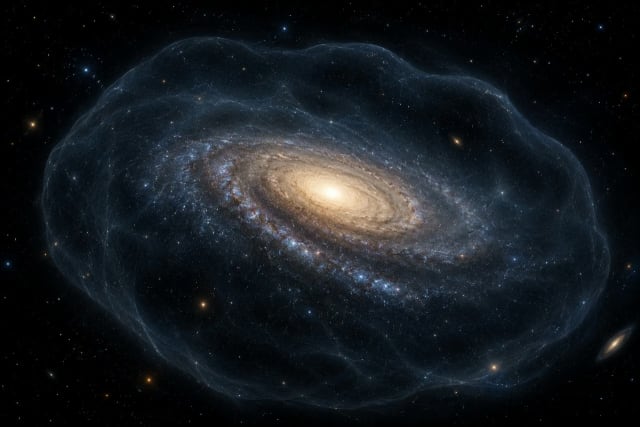
What Dark Matter Tells Us About Scientific Knowledge: An RC Inspired by IIM Indore
Dark matter has never been directly observed. We are nonetheless highly confident it exists. The gap between these two facts reveals something important about how science actually works.
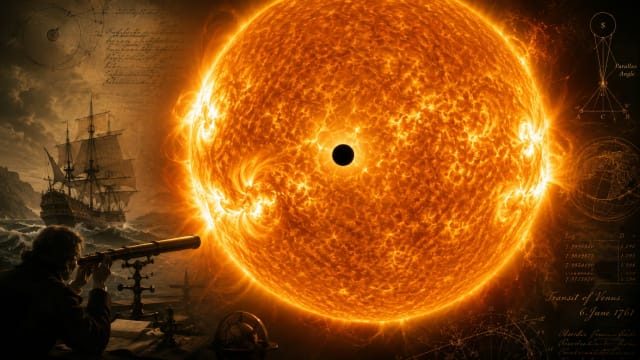
Chasing Shadows
A tiny shadow sent astronomers across oceans, empires into competition and science into a new age. The transit of Venus reveals the power of curiosity.
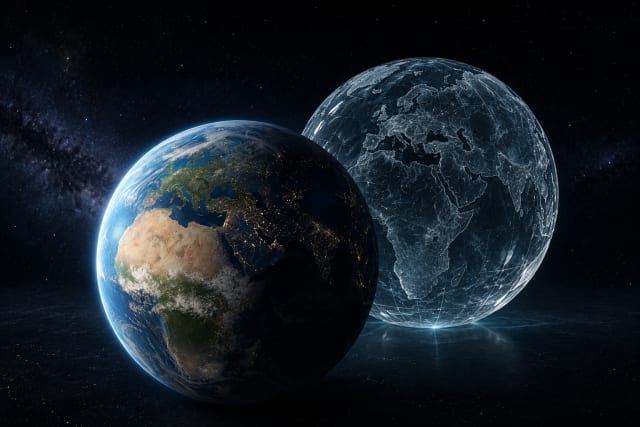
The Backup Planet Paradox
Is Mars colonization humanity's ultimate insurance policy, or a costly distraction from Earth's problems? Explore the backup planet paradox.
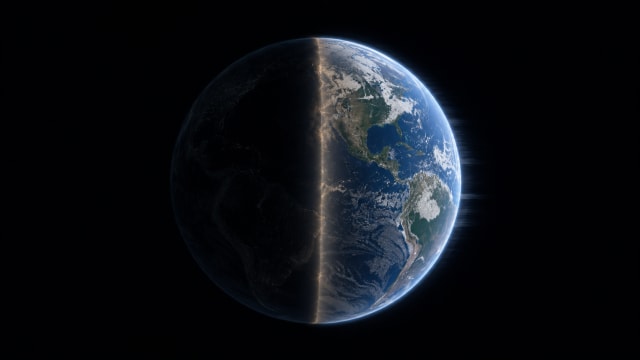
What If the Earth Stops Spinning?
What would happen if the Earth stopped spinning? Explore the science, climate chaos, and hidden forces that make life on our planet possible.