History passages test whether you can hold a timeline, a cause and an interpretation in your head together. These essays cover empires, ideas and modernity in the argumentative style exams prefer over plain narration.
34 long-form history & civilization essays, written at the density of real CAT passages, each with CAT, XAT and GMAT-style questions and explanations. For real exam passages, practise the solved CAT RC PYQs; for a daily routine, see CAT RC practice.
Progress & Modernity6 min
A hunted man wrote the most confident book about human improvement in March 1794. Malthus, two world wars and the Indian Constitution have each answered it since, and none has closed the argument.
History of Ideas2 min
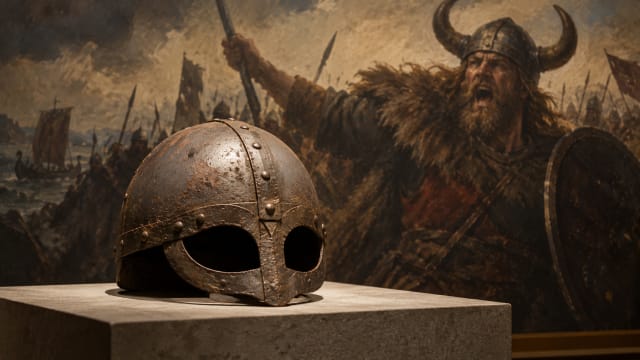
The most famous piece of Viking costume has never turned up in a Viking grave. Its real home is the nineteenth century stage, and its survival is stranger than its origin.
Modern History2 min
For two centuries the autopsy figure has been cited as proof that Napoleon was small. A look at the units, the cartoons and the nicknames tells a different story.
Modern History2 min
Her most famous sentence was probably never hers. The story of how it stuck says more about the people who believed it.
Ancient History6 min
Ashoka's edicts confess to the horror of Kalinga, and in the same breath warn the forest peoples of his power. The tension between a state's conscience and its coercion has never been resolved, in his empire or in the Republic that adopted his symbols.
Colonialism & Empire5 min
In 1943 millions starved in a province that, on much of the evidence, still held food. The economist who watched it as a child spent a career arguing that famines are not about what a country grows but about who is allowed to eat.
History of Ideas3 min
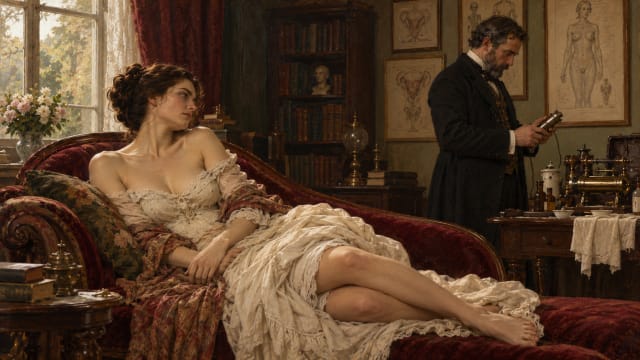
A popular story says Victorian doctors invented the vibrator to treat hysterical women. The tale has been repeated in films, plays and classrooms, and its own evidence is far thinner than its fame.
Indian History3 min
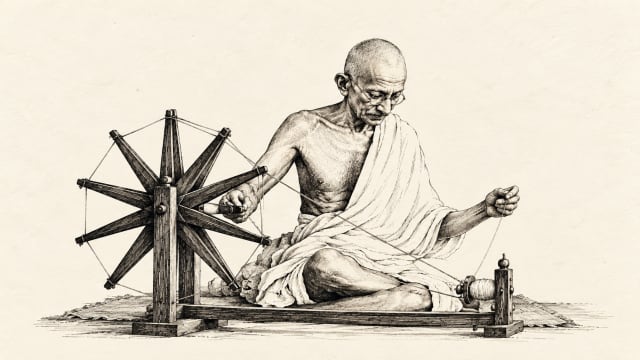
The Norwegian Nobel Committee considered Gandhi five times and never honoured him. Its reasons were serious, and they may say more about the meaning of peace than about the man.
Modern History5 min
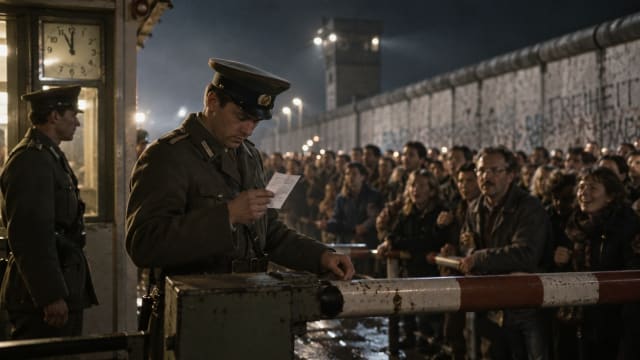
Gunter Schabowski had not been briefed. The decision he announced had not been implemented. The gates he declared open were still closed. Within hours, the Berlin Wall had ceased to exist.
World Wars5 min
Hiroo Onoda fought in the Philippine jungle until 1974, twenty-nine years after Japan surrendered. He was not deluded. He was doing exactly what a loyal soldier should do.
Modern History5 min
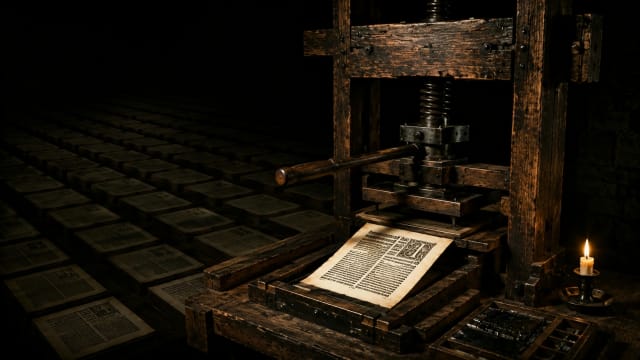
The printing press spread the Reformation. It did not cause it. The soil was prepared long before Gutenberg printed a single page.
Indian History6 min
India's Independence ended colonial rule in 1947, but did it make Indians truly free? An essay on sovereignty, inequality and the unfinished meaning of freedom.
Ancient History5 min
The world's first writing wasn't poetry or prayer. It was an invoice for barley, and that changes what writing's origin actually tells us.
Modern History5 min
The Greenbrier Ghost helped reopen a murder case. What followed reveals a deeper truth about evidence, belief, and knowledge.
World Wars6 min
Executed as a German spy during World War I, Mata Hari became a global legend. The reality was far more complicated than the myth.
Archaeology5 min
Why do religions outlive empires? From Göbekli Tepe to Rome, myths endured while kingdoms collapsed into ruins and memory.
Archaeology5 min
The mysterious “Screaming Woman” mummy of ancient Egypt reveals how archaeology transforms death, history, and human vulnerability into timeless fascination.
World Wars5 min
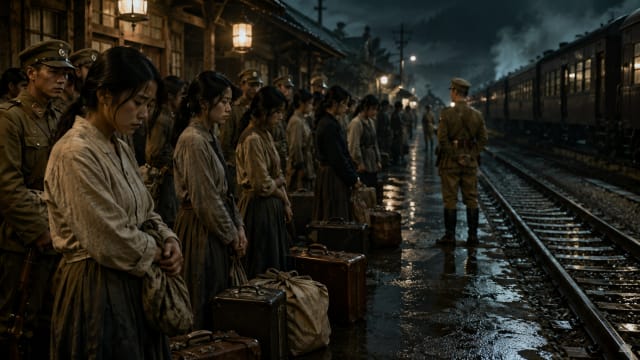
The tragic history of comfort women in World War II reveals how war, empire, and bureaucracy turned human suffering into a system of organized abuse.
Indian History5 min
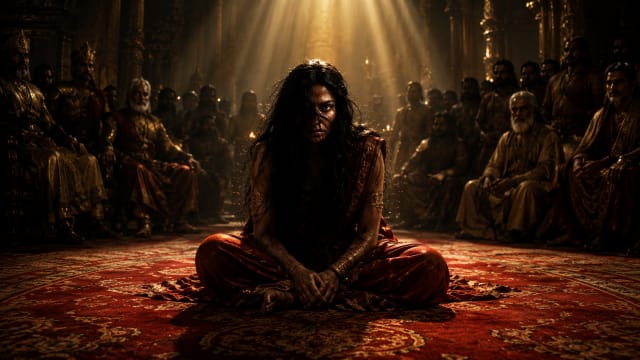
A powerful reflection on Draupadi’s humiliation, memory, rage, and moral clarity in the Mahabharata through a modern philosophical lens.
World Wars5 min
How Nazi propaganda transformed mass psychology, weaponized media, and turned the Third Reich into one of history’s deadliest spectacles.
Indian History5 min
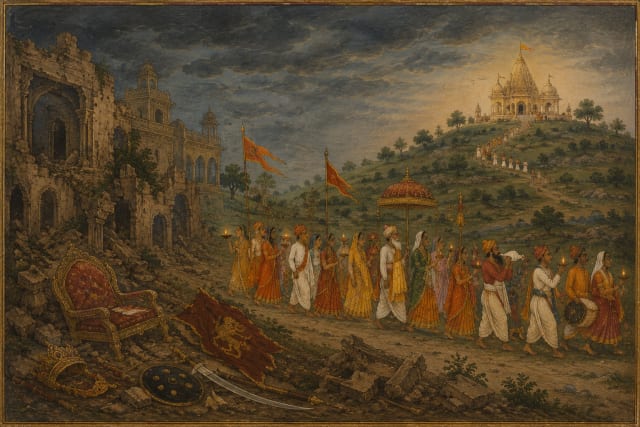
Explore why India was called the Golden Sparrow and how wealth, culture and political fragmentation shaped Indian history for centuries.
Ancient History5 min
A deconstruction of Roman narrative architecture, exploring how political survival is recompiled into moral spectacle and legend.
Indian History5 min
Nalanda’s burning erased more than books. It shattered a living tradition of knowledge, showing how fragile the continuity of thought truly is.
Modern History5 min
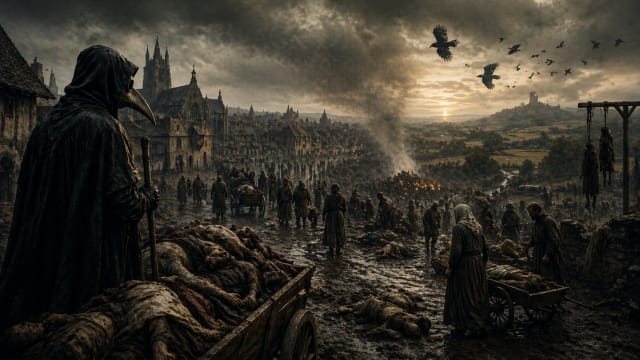
A reflection on the Black Death as more than a pandemic, showing how it exposed fragile systems, reshaped power, and revealed the illusion of stability.
Modern History3 min
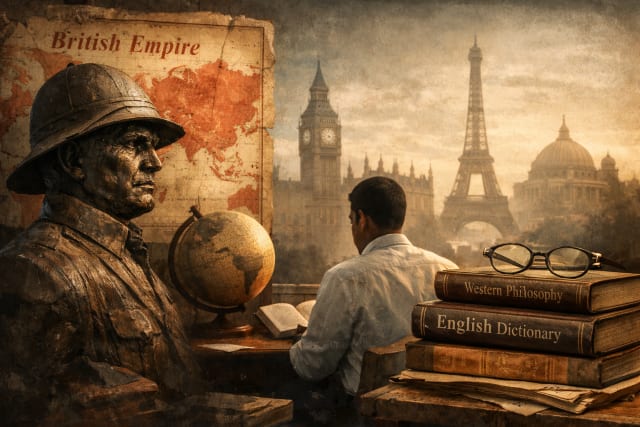
Even decades after political independence, many former colonies still measure knowledge, language, and success through Western validation. The colonial hangover reveals how empire survives not in territory but in institutions, prestige, and the psychology of legitimacy.
Ancient History5 min
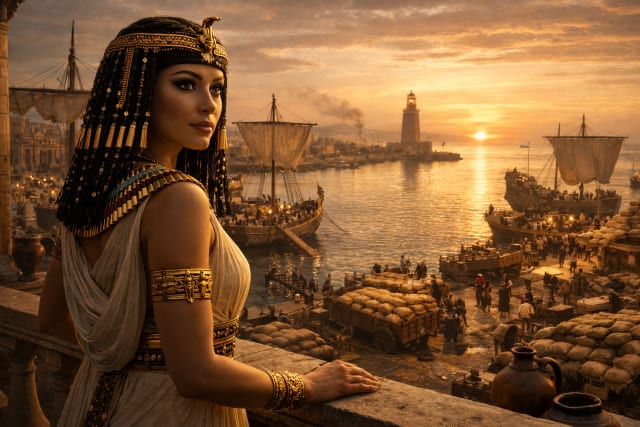
Cleopatra as an economic strategist, by controlling grain flows, taxation, and trade through the Nile, she turned Egypt into the financial backbone of Rome
Religion & Mythology3 min
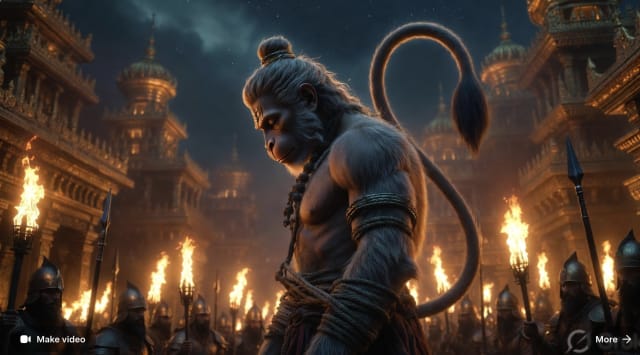
A philosophical reflection on whether Hanuman lives not as a body, but as a timeless force shaping human courage, discipline, and devotion.
Religion & Mythology3 min
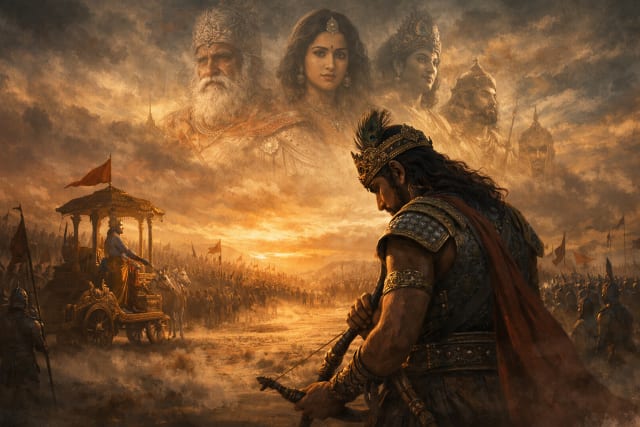
A reflection on the Mahabharata as neither strict history nor mere mythology, but a living memory system that preserves enduring human dilemmas through narrative rather than factual record.
Religion & Mythology6 min
Why did ancient Greece fear Artemis? The goddess of the hunt symbolized female autonomy beyond marriage, power, and social control.
Religion & Mythology5 min
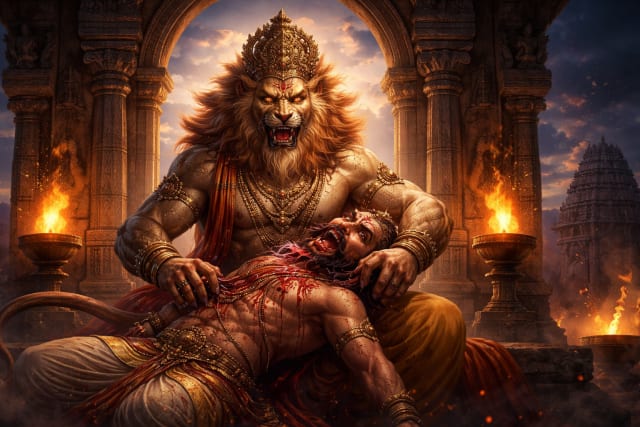
An analytical reading of the Narasimha myth as a critique of rigid binaries. The systems built on exhaustive conditions and neat categories are fragile.
Religion & Mythology3 min
A reflection on immortality through Ashwatthama, showing how endless life becomes a burden of memory, consequence, and unfinished identity rather than a gift.
Sociology5 min
The evidence against Lizzie Borden was strong. The jury acquitted her in ninety minutes. What happened in that room had very little to do with the evidence.
Religion & Mythology5 min
Putana came to kill Krishna with poisoned milk. He killed her instead. Then he gave her the status of a mother. The Mahabharata is not confused about this. It is making its hardest argument.
Religion & Mythology5 min
A reflective exploration of why mermaids endure in human imagination, revealing them not as sea creatures but as symbols of our own divided nature.