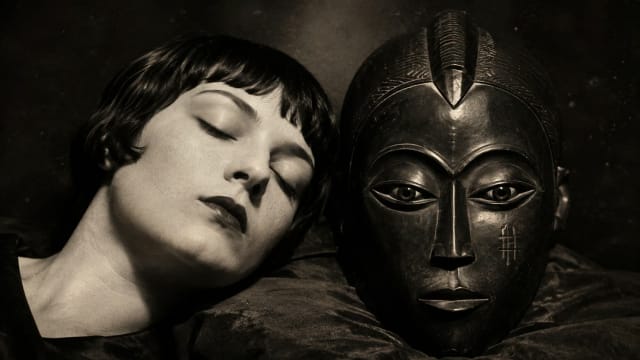
Kiki with African Mask
Why does a carved mask seem alive? Man Ray's iconic photograph reveals why humans instinctively project consciousness onto faces, real or imagined.
Abhishek Leela Pandey4 Qs
Why does a carved mask seem alive? Man Ray's iconic photograph reveals why humans instinctively project consciousness onto faces, real or imagined.
Is monogamy a biological destiny or a cultural invention? A philosophical exploration of polyamory, love, evolution, and the arithmetic of romance.
Ancient humans can vanish without leaving a single bone. Yet fragments of their DNA continue telling a story that archaeology never could.
Why great companies outlive great CEOs. Explore corporate governance, institutional resilience, succession planning, and the myth of indispensable leaders.
Long before natural selection shaped life, the geometry of space had already determined which organisms could exist and which never could.
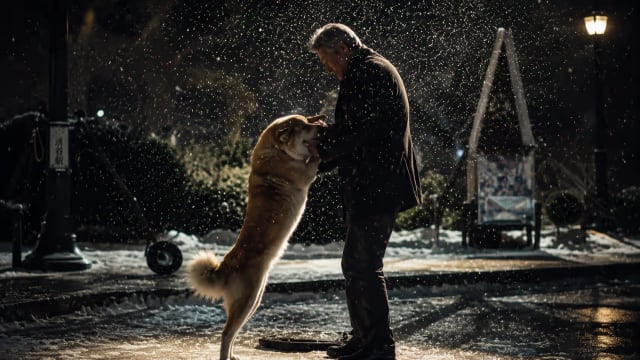
Why does Hachikō's story still move millions? A philosophical reflection on loyalty, memory, grief, and the kind of love that outlives death itself.
An exclusive extract from Abhishek Leela Pandey's The Art of Corporate Power, exploring how capitalism transformed warfare into strategic competition.
Walter Mitty reveals that imagination is not an escape from reality but a rehearsal for courage, preparing us to become who we dare to imagine.
Beyond Gothic horror, Dracula exposes Victorian anxieties about female desire, agency, sexuality and the uneasy relationship between instinct and culture.
Manifestation promises cosmic rewards, but psychology suggests belief changes us more than the universe. Where does science draw the line?
Copies force us to ask what truly survives through time. The answer may reveal why cultures disagree about authenticity itself.
How does language shape our understanding of nature? Discover why animal behaviour, evolutionary biology and human perception are deeply intertwined.
What if the biggest obstacle to time travel isn't physics but identity? Before bending spacetime, we may need to answer who actually travels.
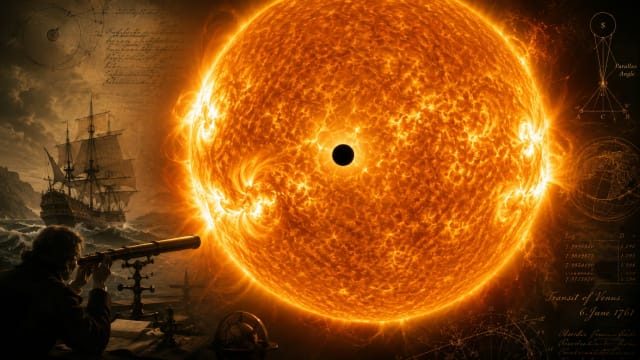
A tiny shadow sent astronomers across oceans, empires into competition and science into a new age. The transit of Venus reveals the power of curiosity.
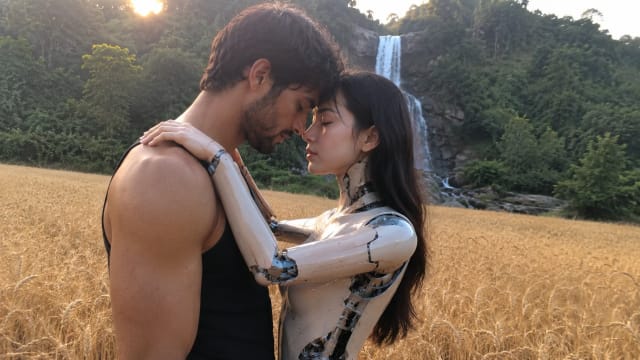
Artificial companions do more than imitate intimacy. They expose the hidden assumptions that have always shaped how humans recognise love.
Toxic femininity isn't the opposite of masculinity but the corruption of feminine virtues into emotional coercion, guilt and invisible control.
Businesses often chase star performers, yet enduring success belongs to teams that cultivate trust, amplify one another's strengths, and never stop learning.
A film that condemned consumer culture became one of its most successful products, revealing how capitalism can package even rebellion.
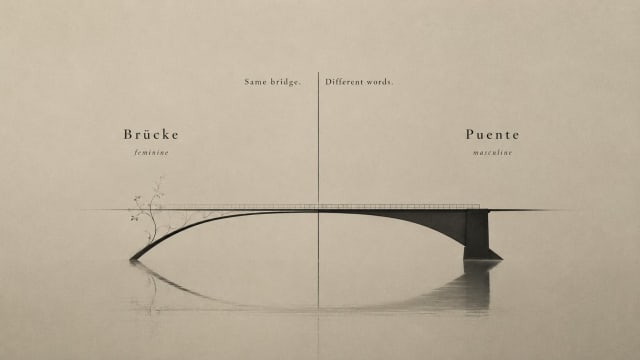
German poets call bridges fragile, Spanish poets call them strong. The same object, the same world, only the grammar changes.
A central bank governor says a few sentences about the future, and prices shift before any policy actually changes. Why does mere belief move an economy?
Most people are certain they understand how a zipper works, until asked to explain it. The same gap shows up in political conviction.
The world's first writing wasn't poetry or prayer. It was an invoice for barley, and that changes what writing's origin actually tells us.
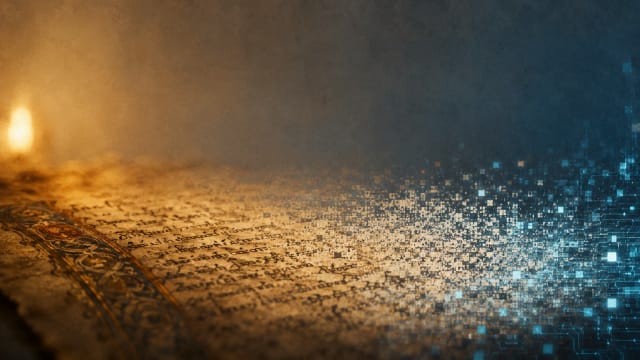
AI systems increasingly learn from text that earlier AI systems wrote. History has seen this error before, in monasteries.
Two men drive home equally drunk. Only one kills a child. Philosophy calls the gap between them moral luck.
Is the nation state losing its monopoly on power? Discover why the twenty first century increasingly resembles the political architecture of the Middle Ages.
Inspired by "Lost and Found" from the ALP Horror Universe by Abhishek Leela Pandey, this essay explores identity, memory, childhood and the hidden ways families shape who we become.
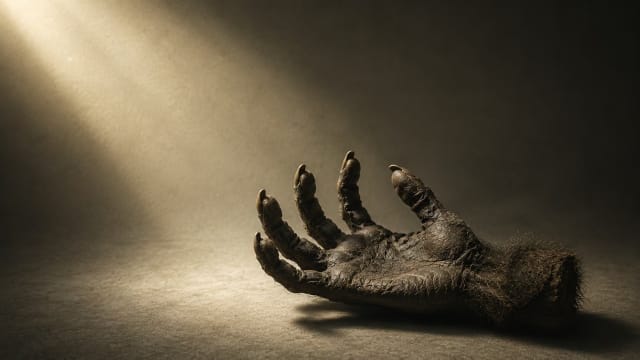
The Monkey's Paw is more than a horror story. It foreshadowed AI alignment by exposing the danger of systems that obey words but ignore intent.
Why can't we remember our dreams? Discover how REM sleep, memory, and evolution shape the forgotten third of our lives.
A reflective essay on teenage love, mathematical thinking, and why I instinctively translated people, emotions, and the world into algebra.
Discover how the Kumar Method transformed social media by making identity and storytelling as important as expertise in the digital attention economy.
Confucianism defended inequality by arguing that everyone begins with equal moral potential and that authority should reward virtue rather than birth.
Why do we see faces in walls and clouds? Explore pareidolia, pattern recognition, and the surprising psychology behind human perception.
Modern forensic science is solving decades old cold cases through DNA, genetic genealogy, and evidence that never forgot the truth.
Can a pill make us kinder? The science of MDMA challenges everything we believe about empathy, morality, trauma and the chemistry of human connection.
Obsession is more than a horror film. It is a meditation on desire, love, fulfilment and the hidden cost of getting what we want.
A chance encounter with Gen Z slang in Kasol becomes a reflection on language, philosophy, memes, history, and what it means to be human.
Is Mars colonization humanity's ultimate insurance policy, or a costly distraction from Earth's problems? Explore the backup planet paradox.
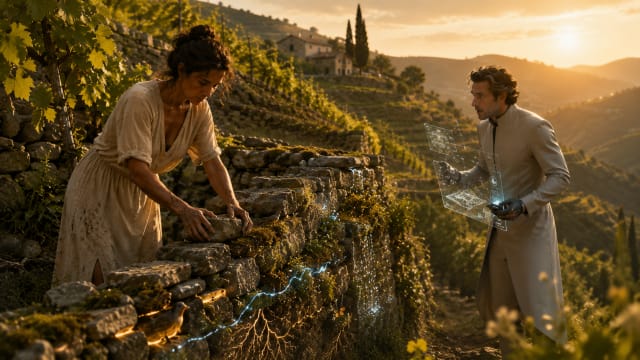
Discover how ecological prototypes, living walls, and regenerative architecture could transform sustainable cities by turning buildings into ecosystems.
The Kama Sutra was never just about sex. Discover how this ancient Indian text explored desire, relationships, happiness, and the art of living.
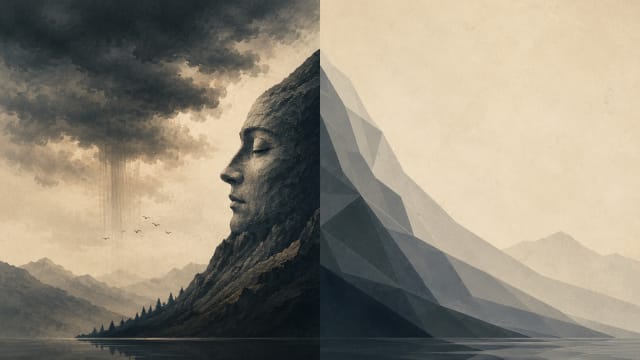
How science transformed a living world of angry mountains and speaking rivers into a universe of objects, and what humanity lost in the process.
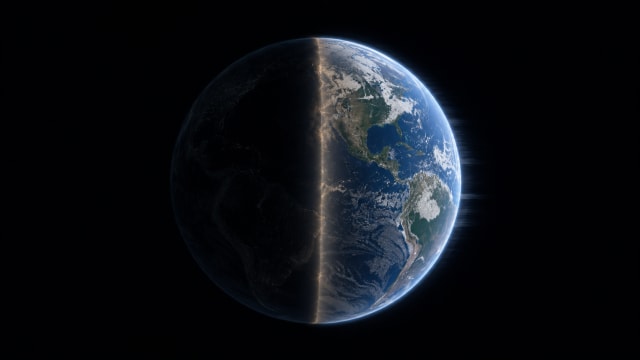
What would happen if the Earth stopped spinning? Explore the science, climate chaos, and hidden forces that make life on our planet possible.
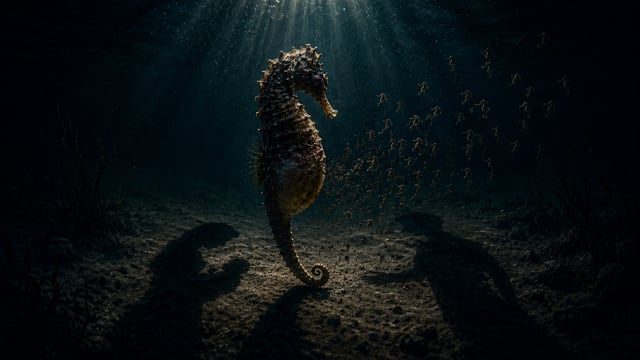
Can males be mothers? From pregnant seahorses to modern biology, science reveals how evolution challenges our ideas of parenthood.
A penguin's pebble looks like a gift of love. It may actually be a signal of competence—a clue to how human courtship really works.
What Charles Darwin's love for Jane Austen reveals about beauty, evolution, art, and the natural world.
Why boredom may be the most valuable mental state we have lost in the smartphone age, and what its disappearance means for creativity and selfhood.
A childhood struggle with Just-Right OCD reveals a deeper truth about why humans crave symmetry, closure, patterns, and meaning itself.
Every choice changes who will exist in the future. A philosophical exploration of possible people, extinction, ancestry, and human destiny.
A great story can emerge from a wound. But does that mean the wound was necessary? A reflection on suffering and growth.