Cities & Urban Life3 min
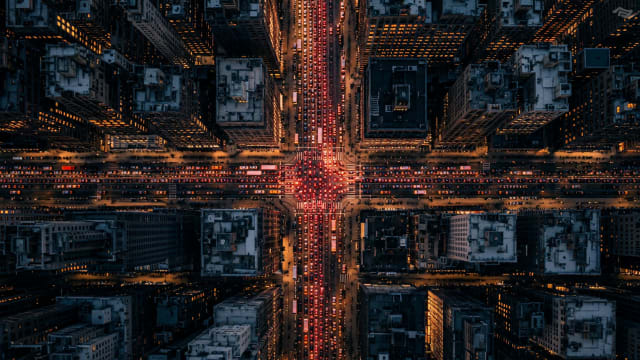
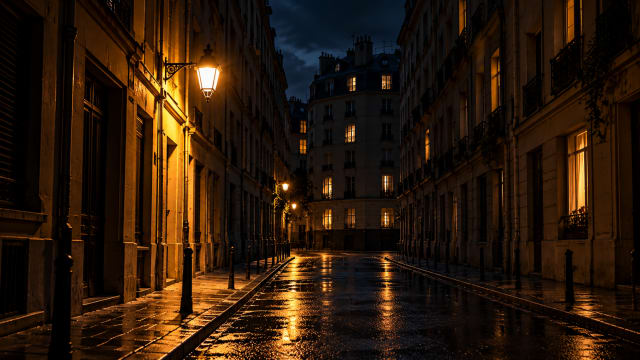
On Earth Day in 1990, New York shut a major street and waited for chaos. The chaos never came, and a 1968 mathematical result may explain why, or may not.
Literary Criticism3 min
Franz Kafka asked his closest friend to burn everything he had left unpublished. The friend refused, and the world gained a canon whose existence rests on disobedience.
Ecology6 min
A famous parable says shared resources are doomed, yet villages in India and elsewhere have long proved otherwise, and the hardest cases are the ones nobody can see.
Learning & Pedagogy2 min
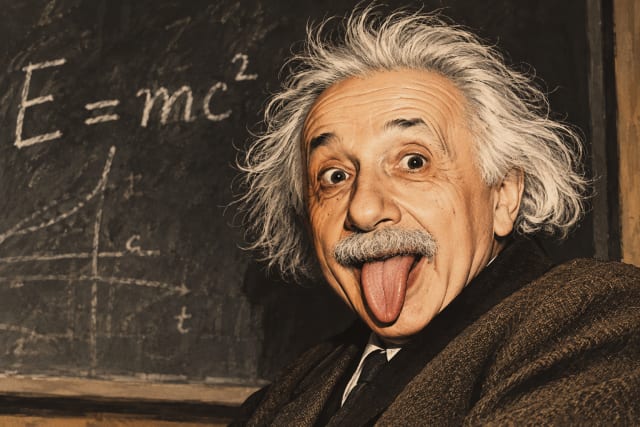
The famous story that Einstein failed mathematics is false, yet it survives because it offers students a comfort that the true story somehow does not.
Behavioural Economics1 min
Continuing a failing project looks irrational until the cost of stopping is counted.
Innovation2 min
Betamax is often said to have lost despite being the better product, but the market was measuring something else.
Law & Justice2 min
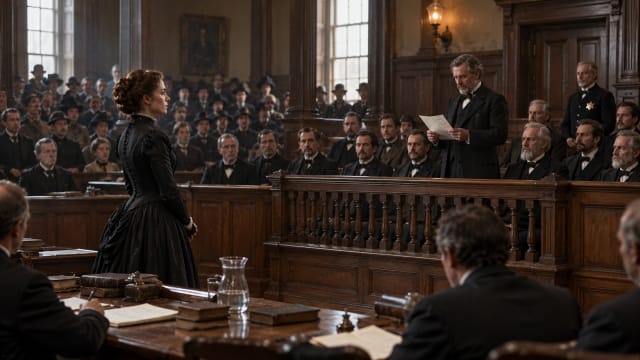
Lizzie Borden walked free in 1893, and the verdict shows what a court can and cannot declare.
Poetry1 min
In a poem by Abhishek Leela Pandey, the sea and a woman drag the speaker in again and again, and every metaphor runs out before the pull does.
Inequality & Development6 min
India ended its dependence on imported wheat within a decade, and the methods that delivered plenty are now draining the soil that grew it. Can a nation judge a success whose bill arrives half a century late?
Visual Arts2 min
When a former worker walked out of the Louvre in 1911 with a modest portrait under his smock, he removed a painting and, by most accounts, helped create an icon.
Environmental History1 min
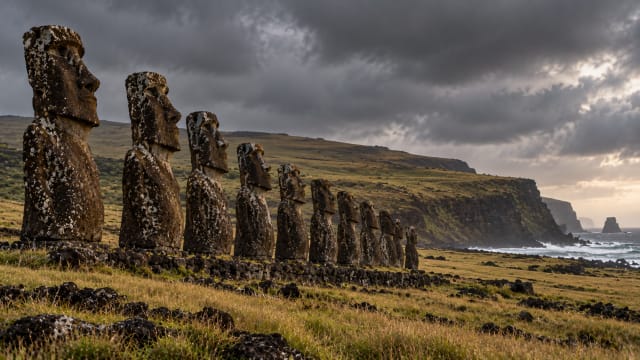
Easter Island became a warning about people who destroy their own world. New research asks whether the warning was aimed at the wrong culprit.
Business & Management2 min
A reformulated soft drink beat its rivals in a vast programme of blind tastings and was withdrawn within three months. The data were not wrong. The question was.
Law & Justice2 min
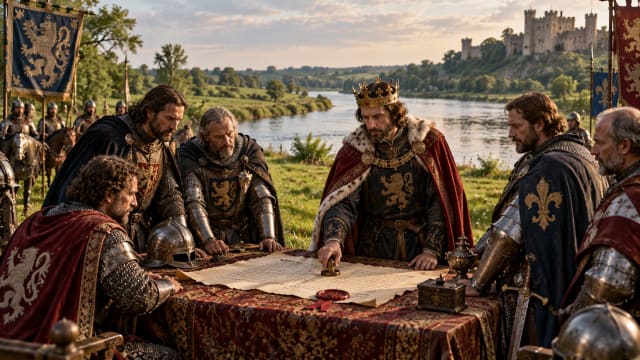
Magna Carta was annulled by a pope within weeks of being sealed. Its afterlife in courts and parliaments has outlasted almost everything it originally said.
Media & Communication3 min
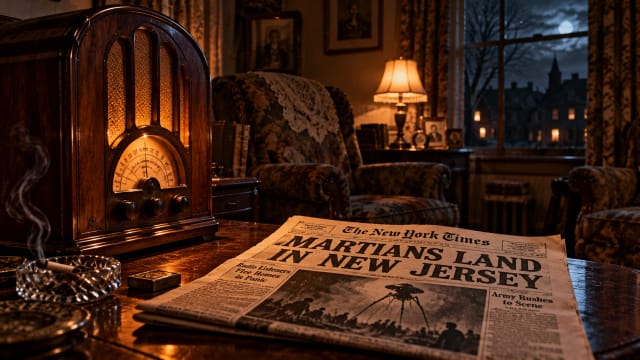
A radio play about Martians is remembered as the night America panicked. The evidence for the panic is thinner than the legend, and the first people to spread it may have been the ones who gained from it.
Public Health1 min
Removing a pump handle is said to have stopped a cholera outbreak in London. The truth is quieter, and it matters more.
Finance & Markets2 min
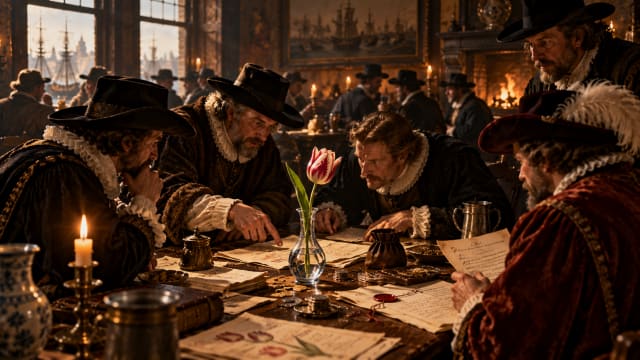
The tulip crash is the most repeated warning in finance. Archives suggest the ruin was far smaller than the legend, which makes the warning harder to read.
Democracy & Rights5 min
Ambedkar warned that India was entering a life of contradictions, with equal votes and unequal lives. Seven decades later, the warning has neither expired nor been fulfilled.
Modern History2 min
Her most famous sentence was probably never hers. The story of how it stuck says more about the people who believed it.
Ecology1 min
A species flourished in a new land, and some called that a success. The beetles it was brought to fight tell another story.
Future of Work1 min
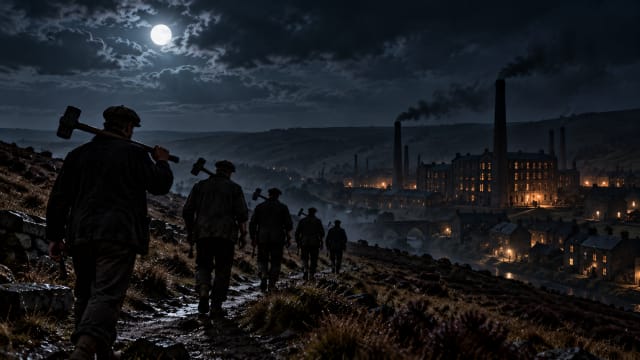
The name Luddite is now an insult for anyone who fears technology. The workers who earned it were something more interesting.
Social Psychology3 min
A newspaper once told New York that dozens of neighbours watched a murder and did nothing. The story built a famous theory, and then the story itself began to fall apart.
Ancient History6 min
Ashoka's edicts confess to the horror of Kalinga, and in the same breath warn the forest peoples of his power. The tension between a state's conscience and its coercion has never been resolved, in his empire or in the Republic that adopted his symbols.
Animals1 min
In 1932 machine guns were sent against emus in Western Australia, and the birds won the first round. The story is usually told as comedy, yet it hides a real question about what kind of problem an army can solve.
Business & Management2 min
Kodak is said to have died because it ignored its own invention. The record suggests a harder problem, that the future can be seen clearly and still be unprofitable to enter.
Language & Linguistics3 min
A careful remark in 1911 about four Arctic roots for snow grew into the belief that whole peoples live in different worlds. The belief is easier to repeat than to test.
Neuroscience3 min
Phineas Gage is the best known brain injury patient in history, and most of what is said about him is shakier than the textbooks admit. The more his case is studied, the less certain it becomes where a person actually lives.
Philosophy of Science3 min
Handwashing cut deaths in a Viennese maternity ward within months, and the physician who proved it was ignored. The refusal looks like arrogance in hindsight, yet it came from the same caution that protects science from error.
Colonialism & Empire5 min
In 1943 millions starved in a province that, on much of the evidence, still held food. The economist who watched it as a child spent a career arguing that famines are not about what a country grows but about who is allowed to eat.
Logic & Probability1 min
The statistician Abraham Wald is credited with telling the military to armour the parts of its bombers that showed no bullet holes. The advice sounds backwards until a reader asks which planes were never seen.
Work & Labour1 min
For decades managers were taught that workers improve simply because they are watched. A reanalysis of the original lighting records in 2011 found little sign of it.
Cognitive Psychology2 min
A 1993 study of 36 students led a US governor to send classical music to every newborn in his state. The effect was small, short and probably not about Mozart at all.
Medicine & Health2 min
Patients in a 2010 Harvard trial were handed a bottle labelled placebo and told that the pills held no medicine. Many of them improved anyway, and medicine has not yet agreed on why.
Social Psychology3 min
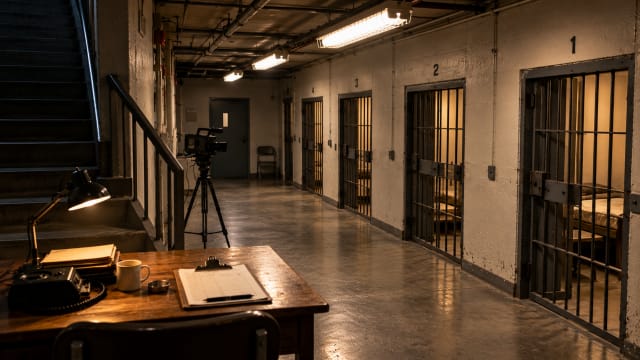
In 1971 a Stanford basement became a prison, and the world learned that ordinary people turn cruel when given power. The archive suggests that somebody told the guards what the experiment wanted to see.
Engineering1 min
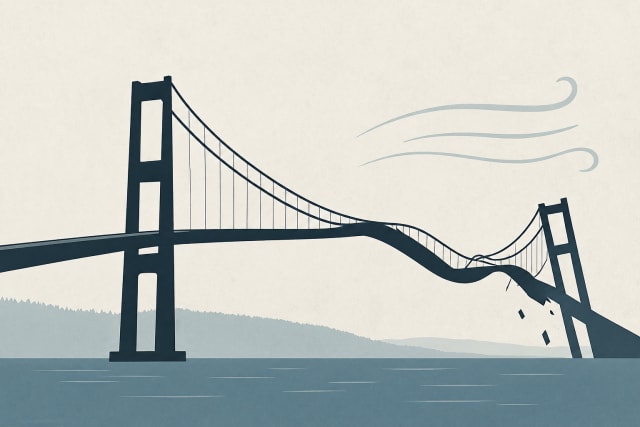
The collapse of the Tacoma Narrows Bridge is taught as a lesson in resonance. Two engineers argued in 1991 that the lesson was wrong.
Neuroscience3 min
In 2014 a Berlin brain scan study linked heavy pornography use to a smaller reward region, and the headlines said the brain was shrinking. The study could not say that, and the argument it started is about meaning more than anatomy.
Political Philosophy6 min
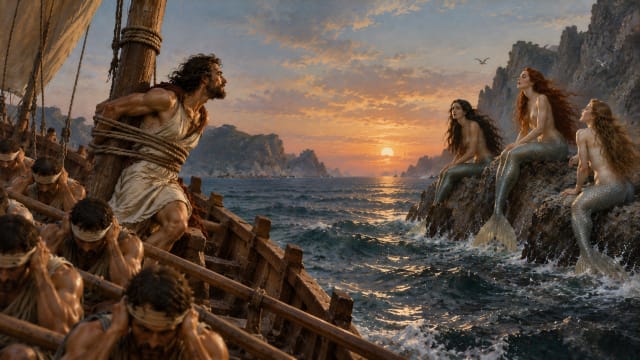
In the Odyssey the hero orders his crew to tie him to a mast so that he can hear a song that has killed every sailor before him. The knots look like the end of freedom, and the story has been used for three thousand years to argue that they are its proof.
Behavioural Economics2 min
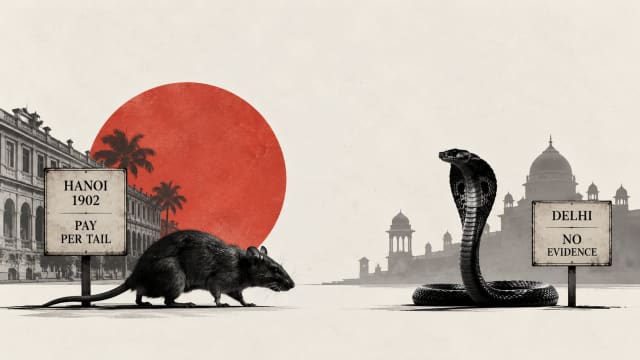
The most quoted warning about bad incentives concerns snakes in Delhi that nobody has been able to find. The rats of Hanoi, which did exist, made the same point and were forgotten.
Ethics of Technology3 min
A cancer machine killed patients in the 1980s although every part did what it was built to do. The case shows how responsibility can vanish when a safeguard moves from metal into code.
Aesthetics3 min
A bowl mended with gold looks like a lesson in embracing flaws. The famous story behind it is thin, and the lesson may have arrived long after the craft.
Democracy & Rights3 min
The Athenians who invented democracy filled most offices by lottery, and Aristotle called elections the mark of oligarchy. The word we use for our own system may belong to a different idea.
Mathematics3 min
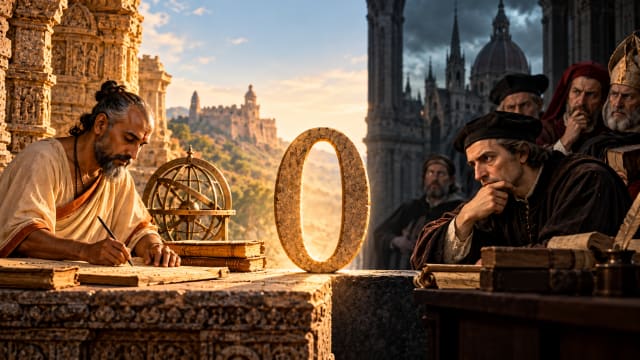
Indian mathematicians were calculating with zero by the seventh century. Europe's bankers banned the numerals that carried it, and the word for it still holds the suspicion.
Animals3 min
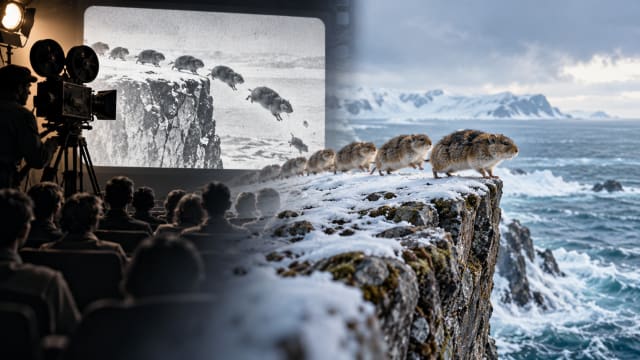
A famous film showed lemmings marching to their deaths in 1958. The scene was staged, and the myth it fed says more about the audience than about the animal.
Mathematics3 min
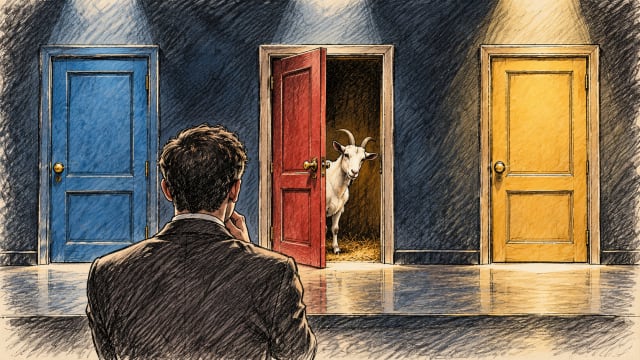
In 1990 a magazine columnist gave a correct answer to a game show puzzle and was buried in angry letters from people with doctorates. The mistake that followed reached the greatest mathematicians too.
History of Ideas3 min
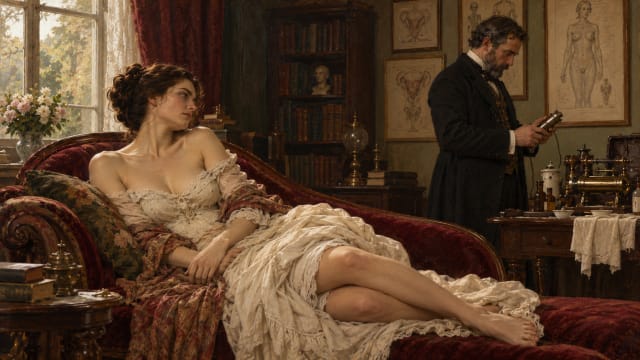
A popular story says Victorian doctors invented the vibrator to treat hysterical women. The tale has been repeated in films, plays and classrooms, and its own evidence is far thinner than its fame.
Psychiatry & Psychotherapy3 min
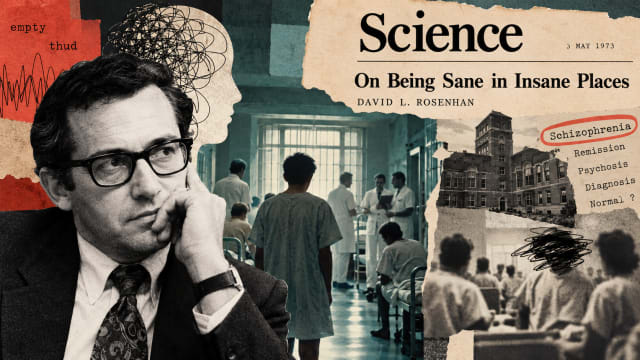
In 1973 a Stanford psychologist reported that psychiatrists could not tell healthy people from the mentally ill. Half a century later, the study itself is proving hard to tell from fiction.
Anthropology3 min
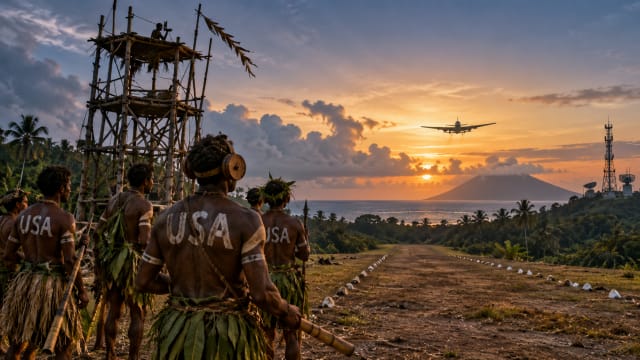
Islanders in Vanuatu built airstrips and waited for planes that never came, and the world learned to laugh at them. The joke may reveal more about the laughers than about the waiting.
Indian History3 min
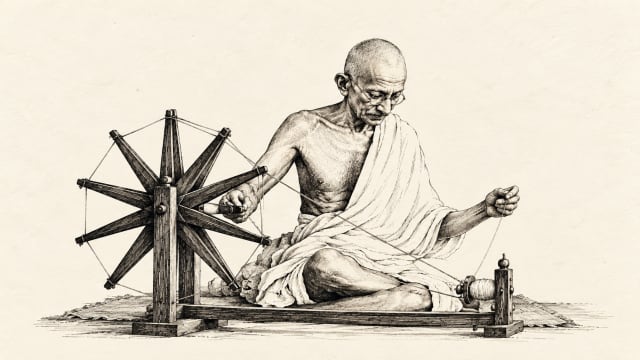
The Norwegian Nobel Committee considered Gandhi five times and never honoured him. Its reasons were serious, and they may say more about the meaning of peace than about the man.
Language & Linguistics3 min
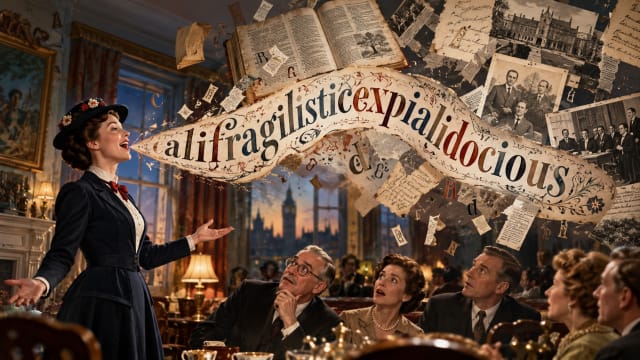
A Disney nanny sang a thirty four letter word in 1964 and the Sherman brothers claimed to have made it up. A court disagreed, and the dispute exposes how little anyone knows about where words come from.