Why Temples Outlive Kingdoms
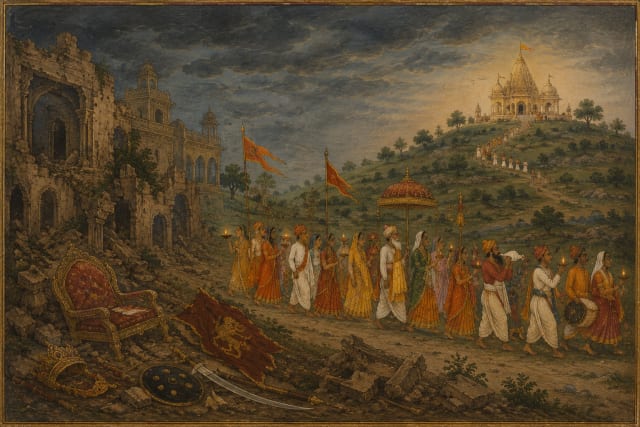
Why do religions outlive empires? From Göbekli Tepe to Rome, myths endured while kingdoms collapsed into ruins and memory.
Abhishek Leela Pandey4 Qs
Why do religions outlive empires? From Göbekli Tepe to Rome, myths endured while kingdoms collapsed into ruins and memory.
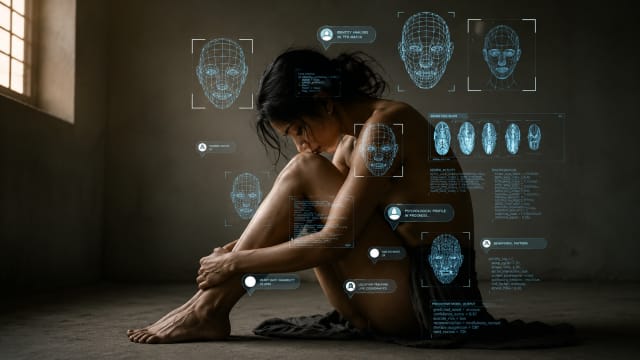
How technology, algorithms and social media are reshaping self-discovery, identity, attention and human consciousness in the digital age.
Hastar is not merely a demon. He is appetite transformed into theology. Explore how Tumbbad uses folklore to expose the rot within modern economic systems.
How Jefferson Airplane’s White Rabbit transformed Alice in Wonderland into a psychedelic critique of authority, perception and modern reality.
The mysterious “Screaming Woman” mummy of ancient Egypt reveals how archaeology transforms death, history, and human vulnerability into timeless fascination.
Neuroscience reveals dopamine is not the brain’s pleasure chemical but the engine of anticipation, addiction, motivation, and endless pursuit.
Music concerts, festivals and chants reveal how modern society still seeks collective trance, ritual ecstasy and emotional belonging through sound.
Explore why death may be essential for life through evolution, biology, cancer, aging and the hidden role mortality plays in sustaining nature.
Beyond their fragility, aphids use asexual reproduction and ant-cooperation to turn individual weakness into a systemic, invincible survival strategy.
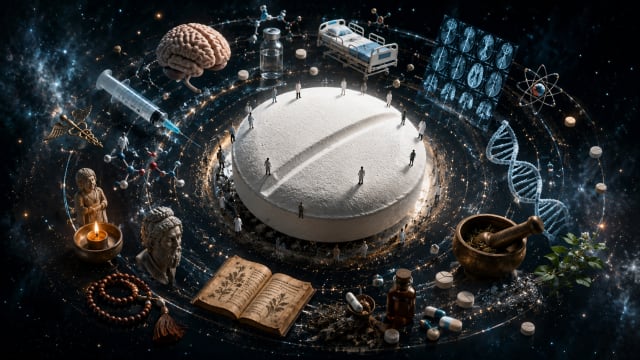
Explore the placebo effect and how belief, psychology and modern medicine together shape healing, pain and human biology.
A political philosophy essay exploring why revolutions slowly resemble the regimes they overthrow through power, control and ideology.
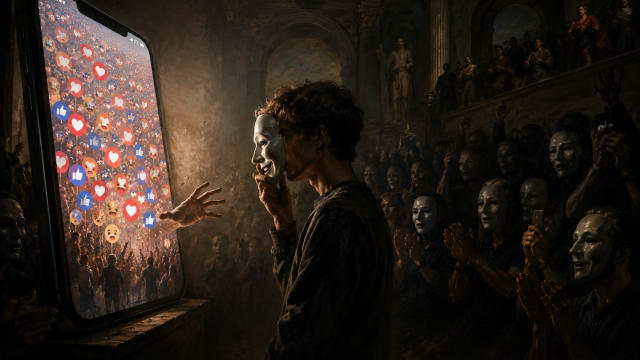
Explore how social media turned morality into performance, where virtue, outrage, and ethics increasingly depend on visibility and online approval.
Explore the Portuguese man o’ war, the venomous ocean drifter that challenges ideas of beauty, individuality, and survival in nature.
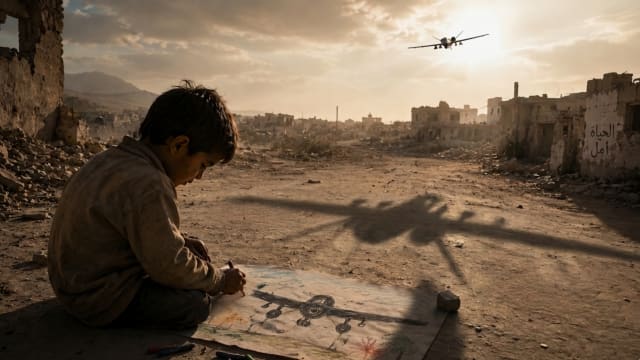
How drones transformed modern warfare by separating violence from vulnerability, reshaping heroism, ethics, and the psychology of conflict.
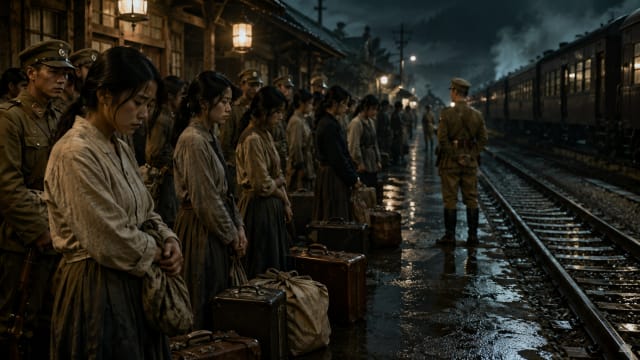
The tragic history of comfort women in World War II reveals how war, empire, and bureaucracy turned human suffering into a system of organized abuse.
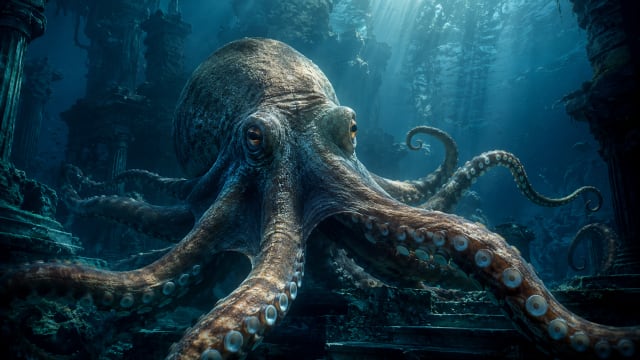
Explore the mysterious intelligence of octopuses and why these solitary sea creatures are reshaping how humans understand consciousness.
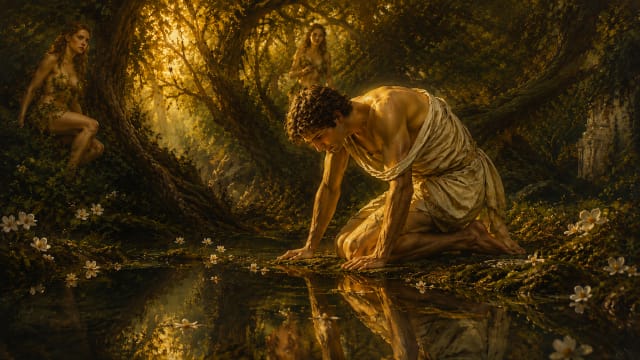
How mirrors evolved from mystical objects into digital prisons of identity, vanity, validation, and algorithmic self-surveillance.
A powerful reflection on Draupadi’s humiliation, memory, rage, and moral clarity in the Mahabharata through a modern philosophical lens.
How Nazi propaganda transformed mass psychology, weaponized media, and turned the Third Reich into one of history’s deadliest spectacles.
Explore why India was called the Golden Sparrow and how wealth, culture and political fragmentation shaped Indian history for centuries.
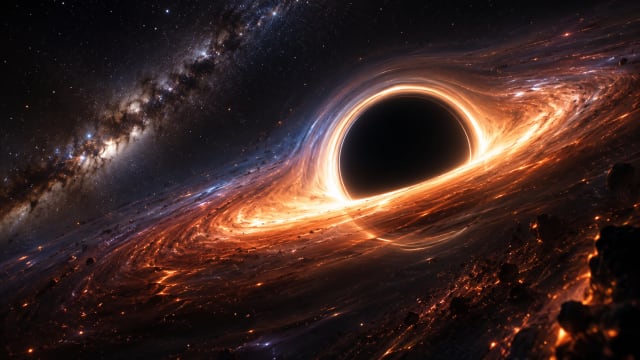
Explore the mystery of black holes, where gravity bends spacetime, light cannot escape, and modern physics confronts the limits of human understanding.
Clint Eastwood and Sergio Leone transformed the western forever through the mysterious Man with No Name, redefining cinematic character and the modern antihero.
Explore how melting polar caps are reshaping climate, coastlines, and civilisation in this powerful essay on global warming and Earth’s future.
An introspective take on Botticelli’s Birth of Venus, where beauty unsettles, lingers, and reshapes perception rather than offering simple meaning.
A concise analysis of La Belle Dame sans Merci by John Keats on illusion, desire, and the danger of enchantment.
A deconstruction of Roman narrative architecture, exploring how political survival is recompiled into moral spectacle and legend.
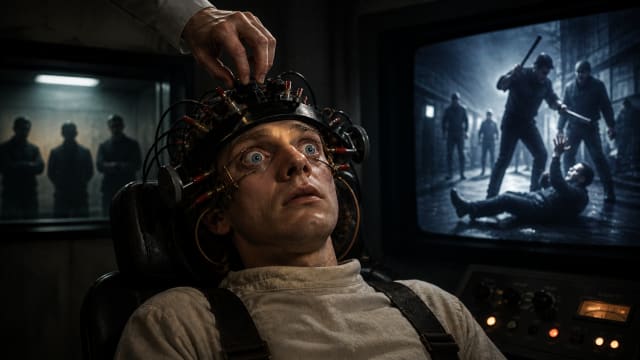
An inquiry into the Ludovico Paradox from A Clockwork Orange, exploring the systemic optimization of behavior versus the architecture of human choice.
Chudail folklore decoded, a dense philosophical exploration of gender, fear, and cultural memory beyond superstition.
A marmot’s stillness is not peace but vigilance, a lesson in survival where calm disguises constant calculation and life depends on attention.
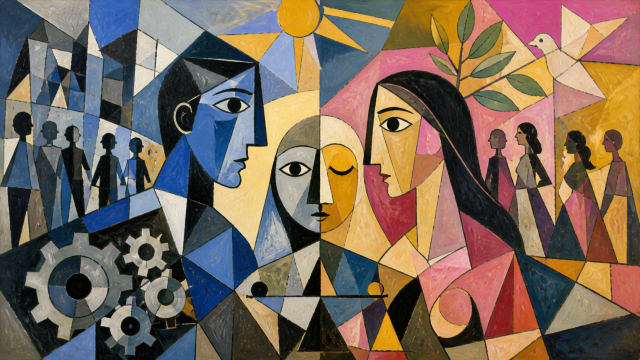
A sharp reflection on how science gives power and religion gives purpose, and why separating them leaves humanity either directionless or blind.
Nalanda’s burning erased more than books. It shattered a living tradition of knowledge, showing how fragile the continuity of thought truly is.
The Mariana Trench reveals the limits of human knowledge, where depth challenges perception, life defies extremity, and reality, exceeds conceptual frameworks.
A scandalous novel of desire reveals a deeper crisis. Not repression, but a modern world that has lost touch with feeling and embodied connection.
Gender acts as a compressive system that simplifies human interaction, enabling coordination while quietly erasing nuance and individuality.
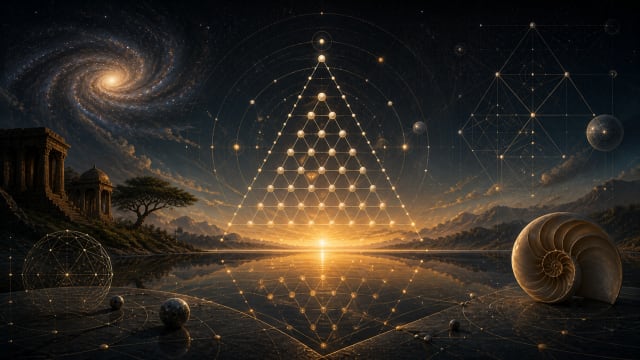
A philosophical exploration of Brahmaganita, where mathematics becomes a lens to uncover patterns, balance, and the hidden structure of reality.
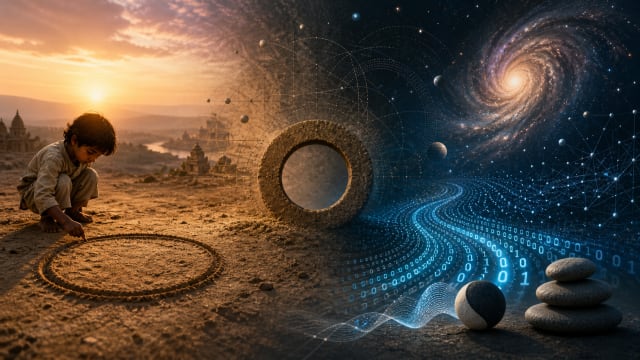
A poetic reflection on shunya showing how zero transforms absence into structure, shaping mathematics, thought, and the architecture of reality.
A reflective essay on humanoid caregivers, exploring whether perfect, optimized care can ever replace the messy, meaningful essence of human motherhood.
A narrow strait that shapes global trade, migration, and power, showing how geography quietly controls the flow of the modern world.
Tarantino’s Fox Force Paradox: How failed pilots act as latent system designs for future cinematic execution through narrative pre-loading and persistence.
Efficiency can increase total consumption as lower costs drive higher demand, revealing why saving resources is harder than it seems.
Why languages disappear? From violence and dominance to quiet neglect, and why losing a language means losing an entire way of seeing the world.
Rare, unpredictable events shape history more than trends, exposing the limits of prediction and the need for resilience over certainty.
Can law judge intent when the brain shapes action? A sharp look at how neuroscience unsettles responsibility and reshapes justice.
As machines begin to act like thinkers, the line between tool and person blurs, forcing us to rethink what personhood truly means.
Witchcraft is less about magic and more about the human need to impose meaning on uncertainty, revealing how ritual persists even in modern rational life.
A reflection on nudism and how removing clothing reshapes identity, softens judgment, and reveals a more basic human connection beneath social symbols.
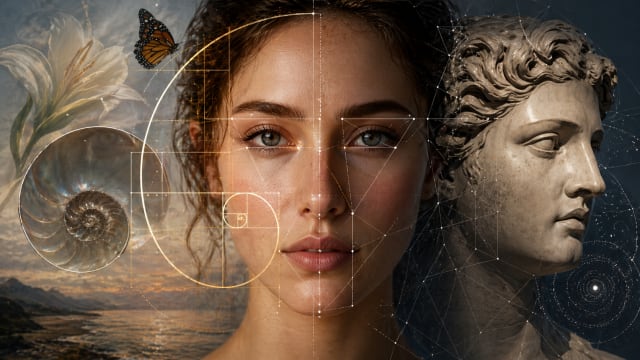
Beauty feels instinctive yet follows patterns of symmetry and proportion shaped by biology and culture. Its deepest impact lies beyond what numbers can capture.
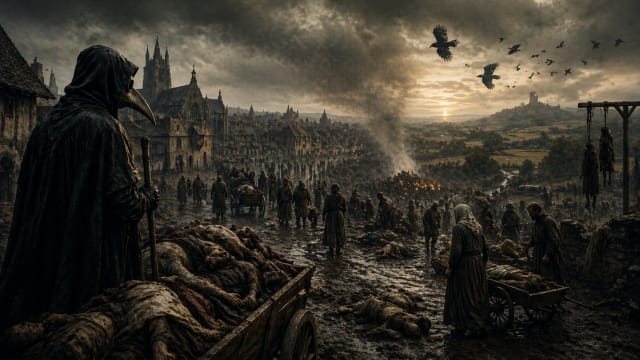
A reflection on the Black Death as more than a pandemic, showing how it exposed fragile systems, reshaped power, and revealed the illusion of stability.